
Why Do Flowers and Leaves Appear on Gravestones?
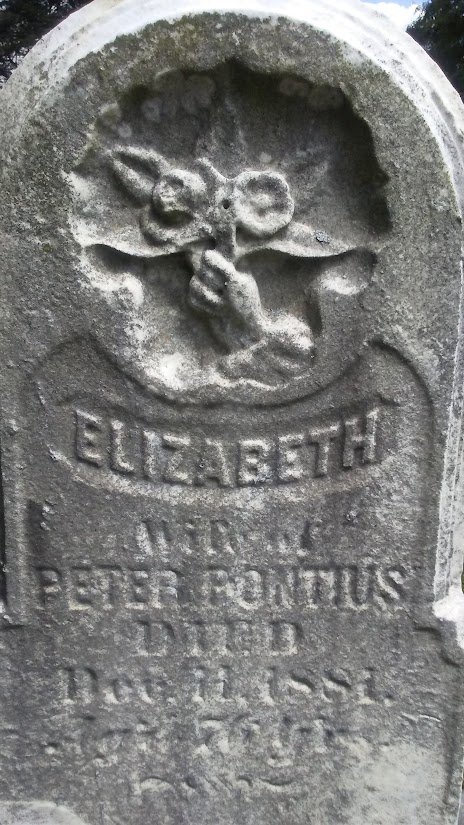
Flowers and leaves are a common cemetery motif that started during the Victorian Era and have continued to this day. Among the many different types of flowers that you might see carved into a gravestone are roses, daisies and more. As expected, each has a different meaning. Here are some of the most common ones.
Daisies
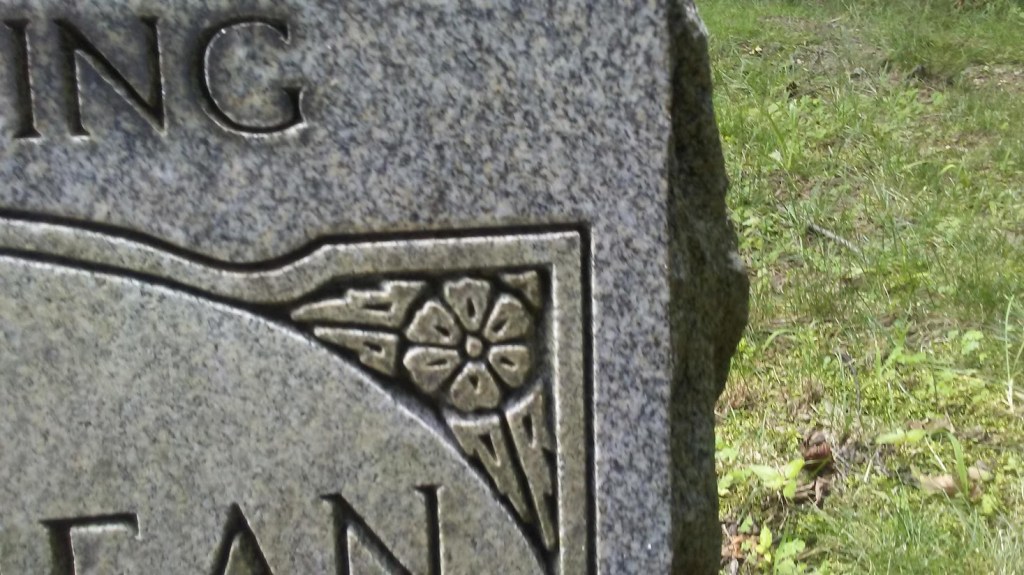
Daisies are usually found on the graves of children, because they represent innocence. The name of the flower itself, which comes from a saying from the days of Old English, the “e’e of the daie,” (“day’s eye” in today’s version of English) can also mean that “a new day begins” for the deceased.
Roses
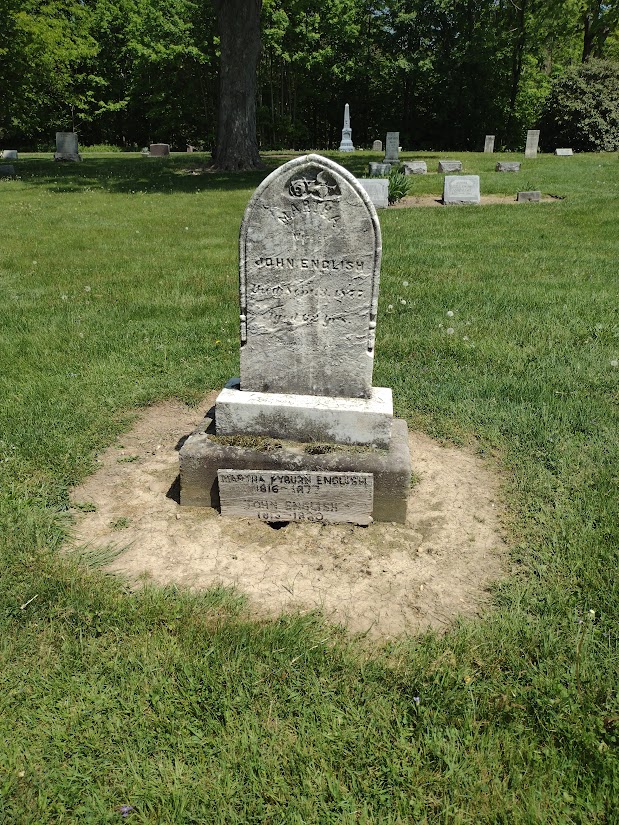
As expected, roses symbolize love. This is why you’ll find them on many gravestones, even modern ones. Earthly love and the longing for the deceased are other themes that are symbolized by the rose.
Thistle
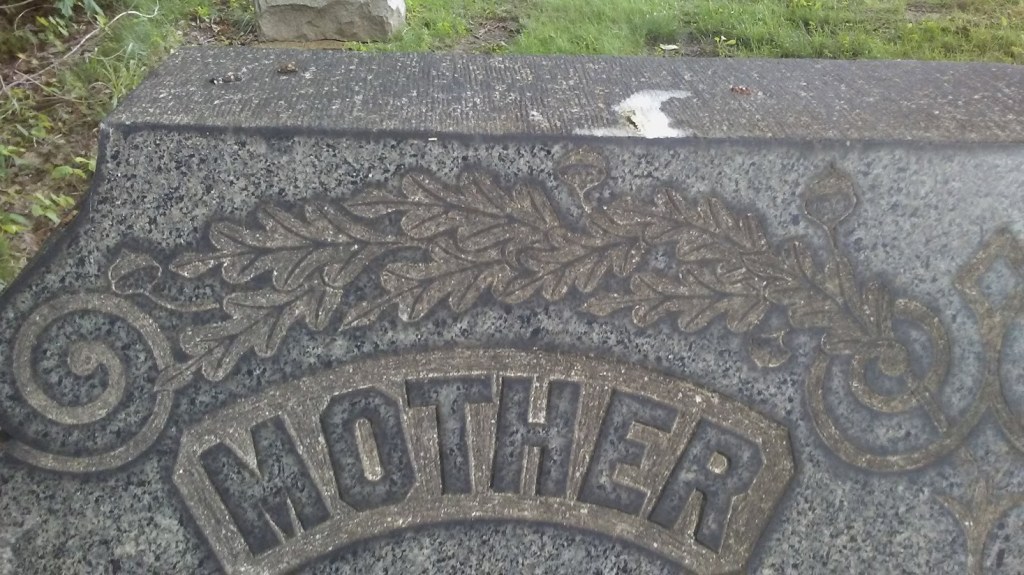
Thistle has a number of complicated meaning. The thorny flowers are the official flowers of Scotland, so they can appear on the graves of people with Scottish ancestry. However, thistles also appear in the crown of thorns placed atop Jesus’ head when he was crucified, so they can also signal the grave of a devout believer. In this way, thistle can symbolize eternal suffering. On a good note, the Ancient Greek’s associated it with Aphrodite, so it can also mean beauty and love.
Poppies
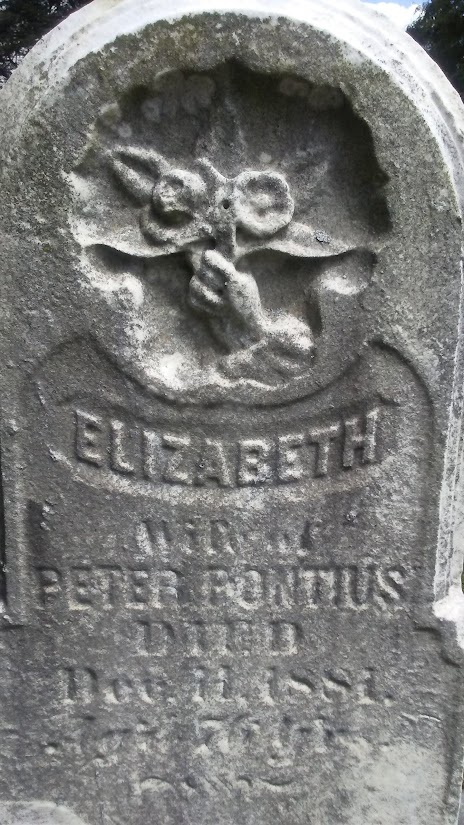
What do poppies make you think of? One option, which includes alternative uses for the poppy plant, means death and is also associated with sleep. In this case, that means eternal rest. The other meaning was started by members of the VFW, who give out paper poppies. In some cases, the flower appears on the graves of a war veterans.
Flower Buds
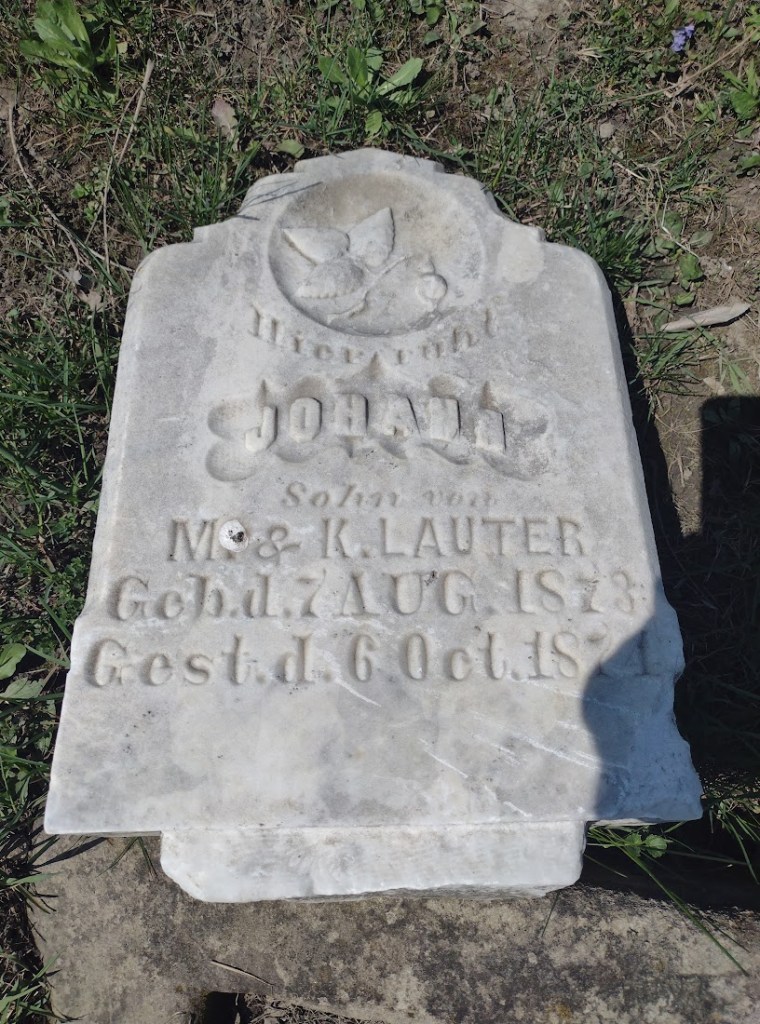
Flower buds, regardless of the type of flower, symbolize young life. You’ll often see them on the graves of young adults, teenagers, and children.
Other Flowers and Leaves
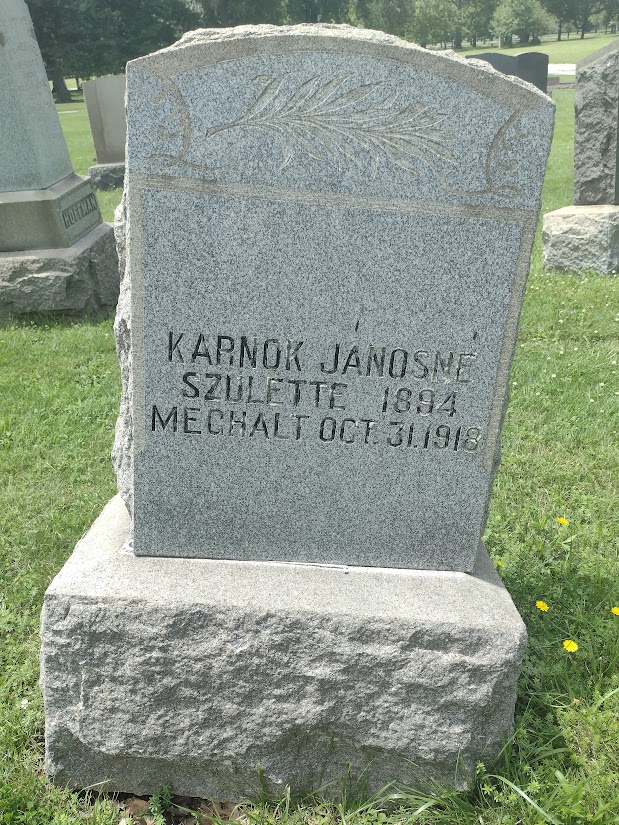
There are a number of other flowers and leaves that you’ll find on gravestones. Palm fronds, like the ones above, are usually a sign that the deceased has “triumphed over death” and is now in heaven. They can also represent big ideas, like immortality and eternity.
If you see a sunflower on a gravestone, then the person buried there is most likely either a Catholic or a spiritualist (yes, the same spiritualist church that came about in the Victorian Era.) Sunflowers symbolize devotion, and since practicing Catholics view God as the sun, the fact that the flowers follow the sun from morning to night show their dedication.
Are you ready to head out to your nearest cemetery? You’d be surprised at how many flowers you’ll find carved onto gravestones.
Sources
- https://blog.billiongraves.com/understanding-cemetery-symbols-part-ii/
- https://stoneletters.com/blog/flower-symbols-and-meanings-on-gravestones
- https://www.oakdalecemetery.org/funerary-art-symbolism/
- http://blog.southerngraves.net/2010/02/tombstone-symbols-palm-frond-wreath.html
 Found in Ohio
[…] cemetery symbols are more obvious than others. Unlike urns, hands, and flowers, these symbols outright state which organizations the deceased belonged to. In this particular […]
LikeLike
[…] gravestone symbols are more popular than others. Things like lambs, books, hands, and even flowers are pretty common. Sheaves of wheat and grain aren’t as popular, but are just as […]
LikeLike
[…] sent or received from beyond the grave. Daisies can stand for innocence and purity and are often found on children’s graves. Magnolias represent the deceased’s strength of character and leave a legacy of […]
LikeLike
[…] sent or received from beyond the grave. Daisies can stand for innocence and purity and are often found on children’s graves. Magnolias represent the deceased’s strength of character and leave a legacy of […]
LikeLike
[…] sent or received from beyond the grave. Daisies can stand for innocence and purity and are often found on children’s graves. Magnolias represent the deceased’s strength of character and leave a legacy of […]
LikeLike