
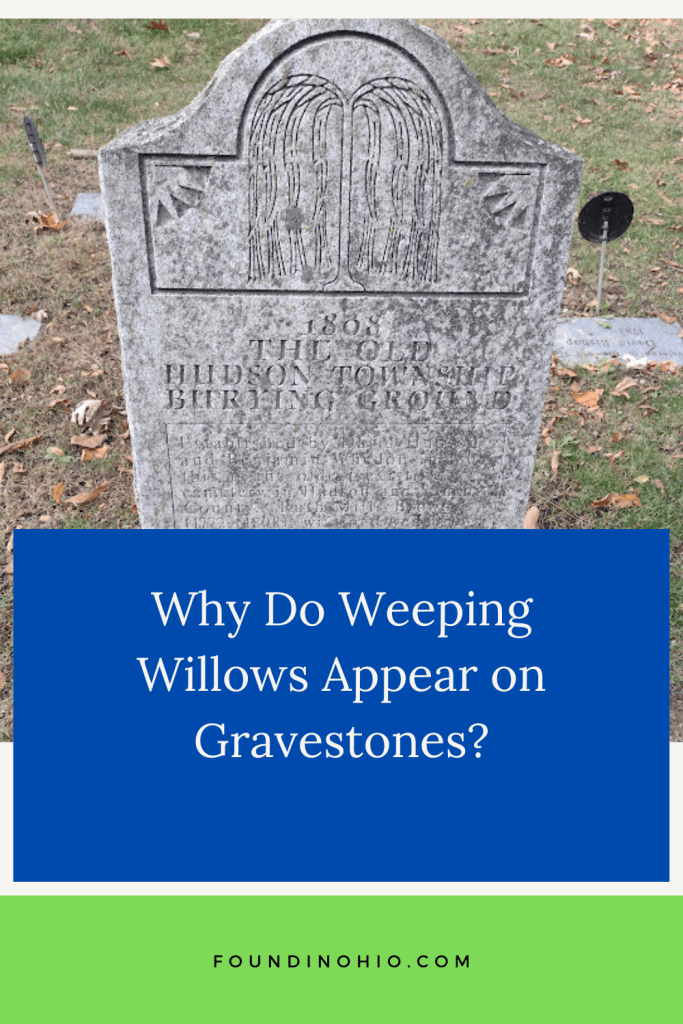
Weeping Willow Trees on Headstones
Out of all of the floral and nature motifs that appear on gravestones, weeping willows are one of the most popular. While their meaning may seem obvious at first: the trees are “weeping” in sorrow over the grave of a loved one, there’s actually a deeper purpose for the symbol. So, why are weeping willows on gravestones so popular?
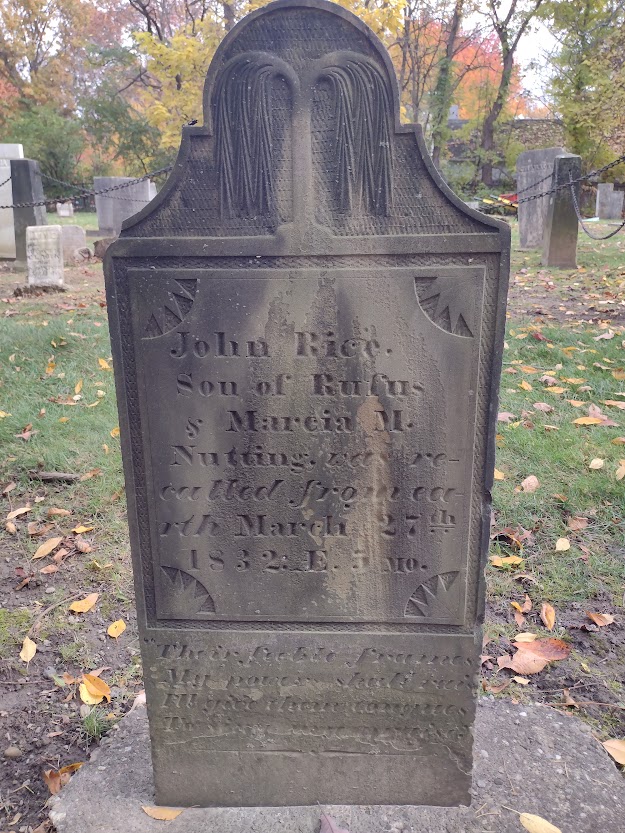
Gravestone located at the Old Hudson Township Burying Ground in Hudson, Ohio.
Unlike some of the symbols that you’ll find on gravestones, weeping willows cross over from Christian and general township cemeteries to Jewish ones. Not only is this due to the fact that there are mentions of the tree in the Old Testament, but their meaning carries a lot of significance.
What Does a Weeping Willow Tree on a Headstone Symbolize?
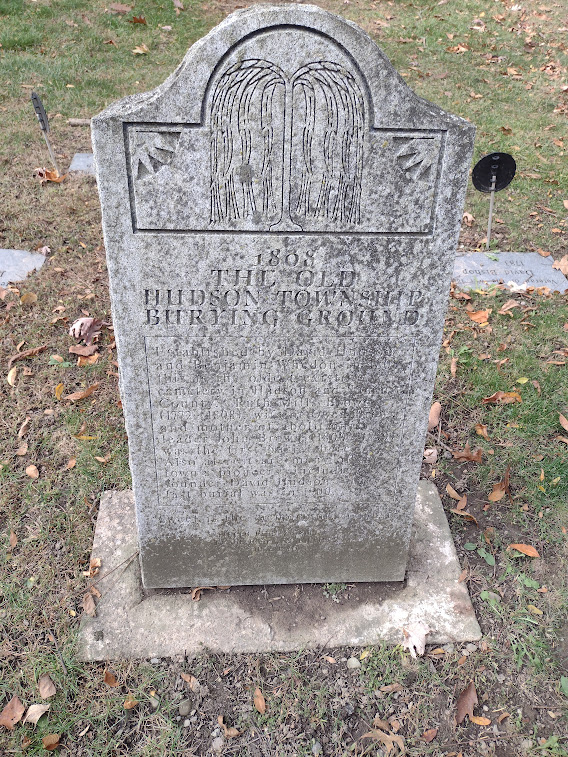
Another gravestone from the Old Hudson Burying Ground in Hudson, Ohio
So, what do weeping willow trees on headstones really symbolize? They stand for immortality and longevity, meaning that the soul of the deceased buried under the gravestone is eternal. It also points out that the memory of the person will forever remain in the minds of their living loved ones.
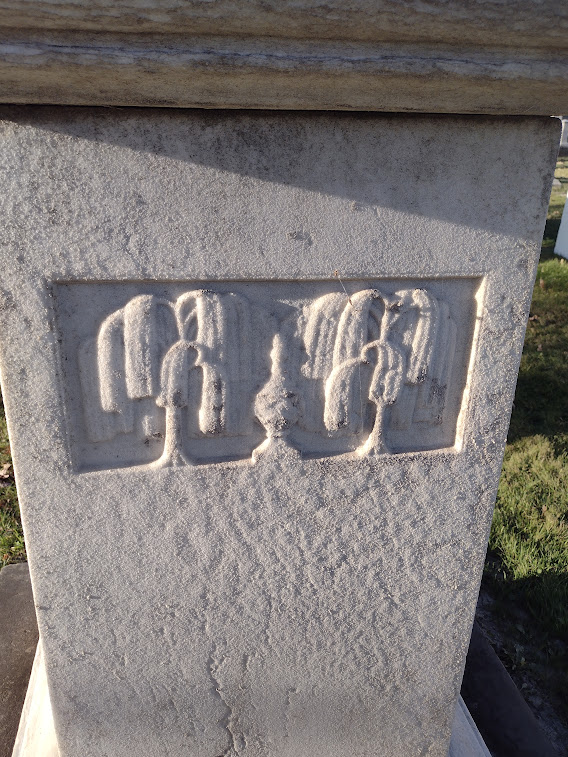
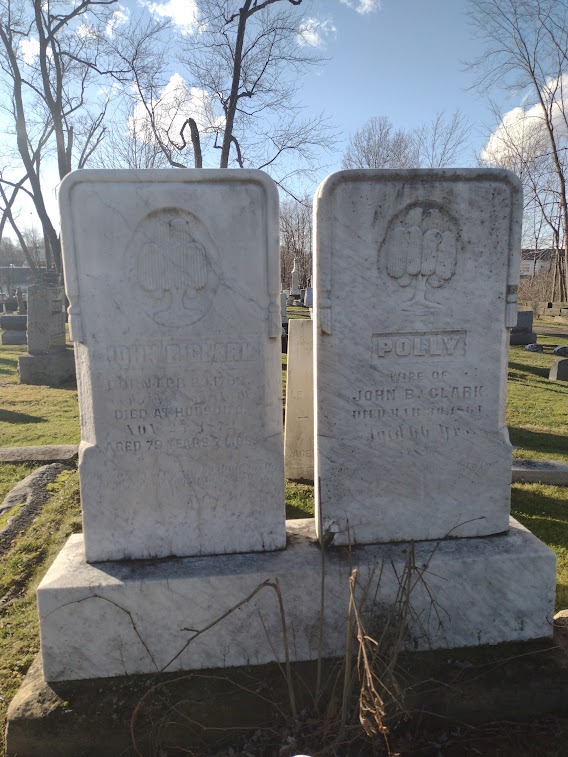
Dual weeping willows on a gravestone at the West Richfield Cemetery in Richfield, Ohio.
In addition, since weeping willow trees are extremely hardy and grow quickly (they can regenerate themselves from parts of a simple rootstalk, they also stand for the resurrection of the soul, or even life after death, making them a meaningful headstone motif.
Gravestones at Locust Grove Cemetery in Twinsburg, Ohio.
Weeping willow trees appear in several different formats on gravestones. There are the stylized, very literal and obvious versions on the older stones (see the ones at the begining of this article from the Old Hudson Burying Ground) and more abstract, yet no less meaningful ones, as shown above on the photo from Locust Grove Cemetery. No matter what, it’s obvious that they symbolize the weeping willow tree and all of its meanings.
Sources:
- https://jewish-heritage-europe.eu/2022/07/25/jhe-photo-essay-weeping-willow/
- https://collections.libraries.indiana.edu/iubarchives/exhibits/show/tombstones–folklore–and-mate/item/965
- https://www.dhr.virginia.gov/cemetery-newsletter-content/the-evolution-of-funerary-symbolism-or-whats-with-all-the-willow-trees/
 Found in Ohio
[…] Since death was a standard part of life, so were gravestones. However, these gravestones also served as warnings that death was frequently around the corner. This is why many of the headstones from this period have the death’s head with wings motif or the weeping willow tree. […]
LikeLike