
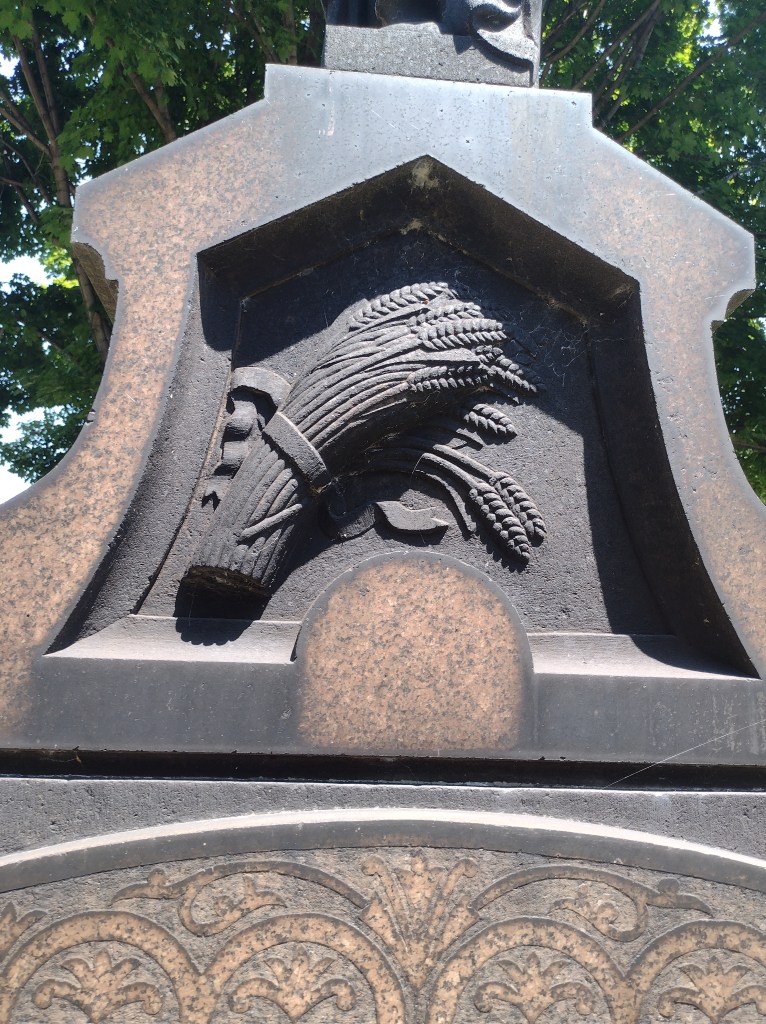
Why Do Sheaves of Wheat Appear on Headstones?
Some gravestone symbols are more popular than others. Things like lambs, books, hands, and even flowers are pretty common. Sheaves of wheat and grain aren’t as popular, but are just as meaningful.
Wheat symbols have been around for thousands of years, dating back to around 9600 BC when it was first cultivated as an agricultural crop and stopped being something that just grew wild. From there, society moved from hunters and gatherers to farmers, making wheat and other grains a staple of their diets. Along with this, it became a popular theme for artwork, similar to fertility symbols, only in this case, they wanted abundant crops and plenty of food at harvest time.
Modern Day Wheat Symbolism
In modern times, a sheaf of wheat on a gravestone holds several different meanings. It can stand for longevity, pointing out that the person buried below had a long, fulfilling life. The symbol can also stand for growth, as grain is a plant that matures over the season.
Whether the carving is obviously wheat or another type of grain, it can also symbolize the cycle of life, going from resurrection or rebirth (when the seeds are planted) to death, when they are harvested. Let’s not forget about the grim reaper, who holds a scythe. The tool is commonly used to harvest wheat, so the specter of death is a fitting meaning.
Then there are the more obvious meanings. The deceased could have been a farmer, which makes putting depictions of their crops on their gravestone even more symbolic. Another option is that the wheat is a main ingredient of the communion wafer, pointing out the religiosity of the deceased.
How Does Grain Appear on a Headstone?

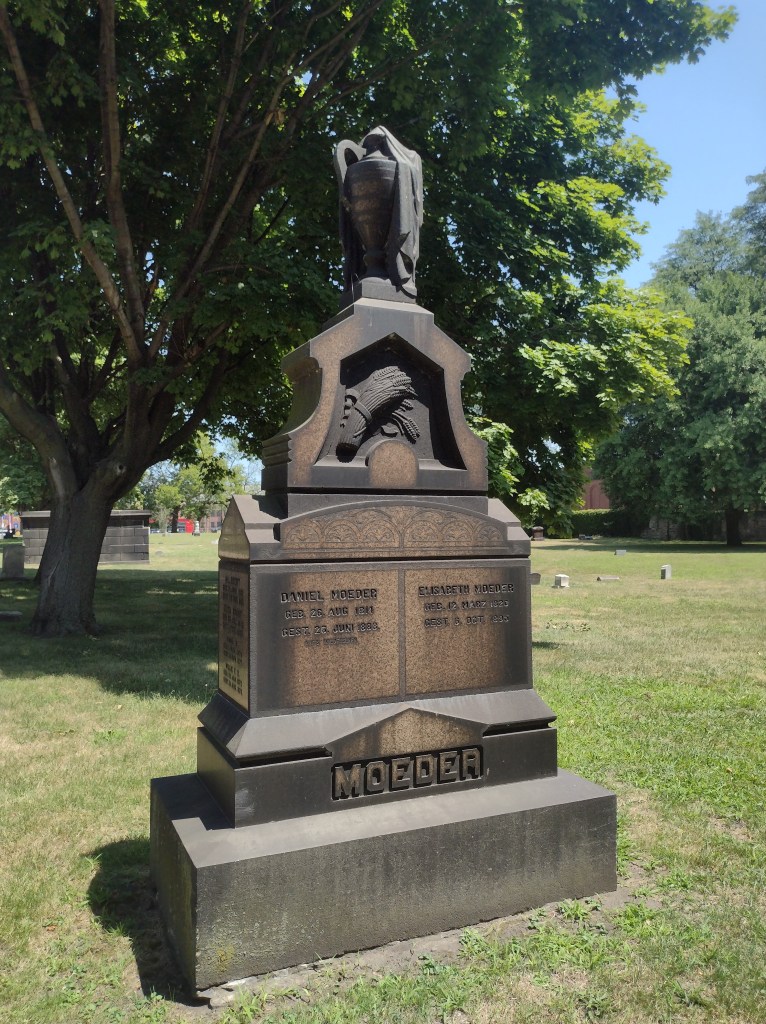
There are two main ways that grain is shown on a headstone. Some of them look like the ones in the picture above, which features two crossed individual stalks. Others have sheaves of shorn wheat, bundled after harvest. These can crisscross, like in the top picture, or just sit straight upward, looking to the sky.
 Found in Ohio