
Cleveland, Ohio
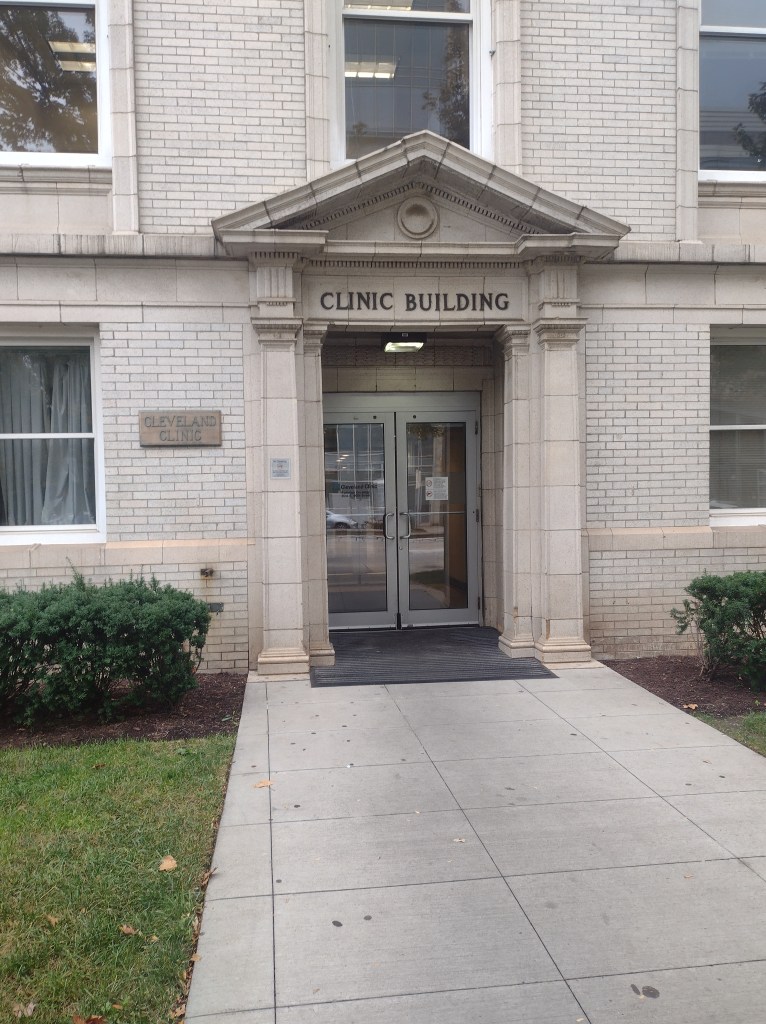
These days, the Cleveland Clinic is known around the world for its innovative care. The main campus, as it’s called, take up many blocks on and around Euclid Avenue. Many of the new buildings consist of modern architecture, making the original Cleveland Clinic building, opened in 1921, stand out.
The hospital group still uses the building for offices, and it’s kept in good shape, so you would never know that it’s the site of the worst hospital disaster in the country; one that left 123 people dead.
The Founding of the Cleveland Clinic

The Cleveland Clinic was founded back in 1920 by three doctors, Dr. George Crile, Dr. Frank Bunts, and Dr. William Lower, all of whom served as physicians in France during WWI. They were joined by Dr. John Phillips and put together a non-profit hospital group modeled on the Mayo Clinic. Their new, fairly state-of-the-art for the time building opened on February 26, 1921. Everything went well for the next eight years, until disaster struck.
Flames and X-Ray Films Lead to Disaster
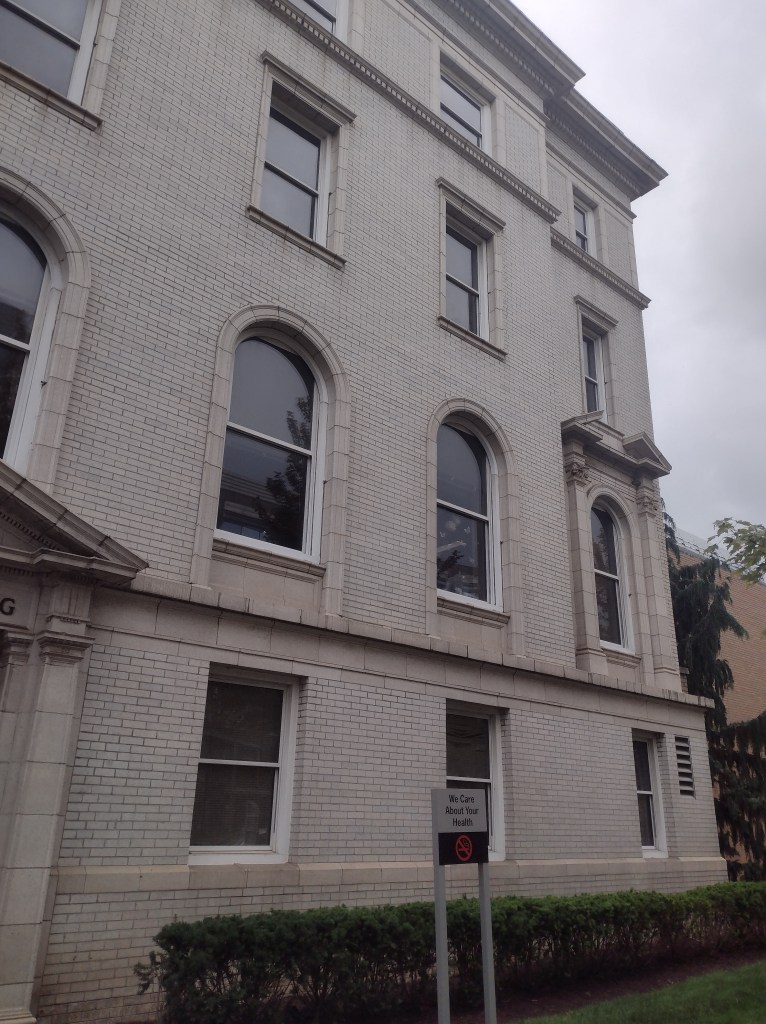
Two things led to the deadly fire of 1929. One – the building had a central heating system (a novelty at the time) based in the basement. All of the pipes, wires, and other related systems started there as well, and spread throughout the walls of the four-story building. And two – this is also where they stored the x-rays. At the time, x-ray films consisted of nitrocellulose film. Nitrocellulose is made of camphor and pryoxylin (a blend of sulphuric acid and nitric acid), topped with gelatin. All of this meant that it was very flammable, and not only that, when exposed to heat, it created a deadly gas.
The Cleveland Clinic also didn’t store their x-rays correctly. Rather than place them in metal canisters, as was custom at the time, the x-rays were stored in simple file cabinets. Even worse, there was a leak in one of the steam pipes that ran through the storage room, causing doctors to store the x-rays away from the flooded floor and on top of those file cabinets.
On May 15, 1929, a repairman arrived to fix the steam pipe. He might have left a lit cigarette behind when he exited the room to get more tools, because when he returned a half hour later, the door to the x-ray storage room was hot to the touch. (Other investigators blame the fire on a dangerous electrical socket and a lone hanging lightbulb that was close to the films.) An explosion took place minutes after his return, throwing him to the ground and letting others in the building that something horrible was underway.
You see, while he was away for those 30 minutes, the x-ray films began to catch on fire, melt down, and release a deadly yellow-ish gas that spread throughout the hospital via the piping system. Some people were already dead from breathing in the gas before anyone really noticed what was wrong. Survivors describe a weird smell coming from the radiators, but didn’t actually panic until the explosion occurred.
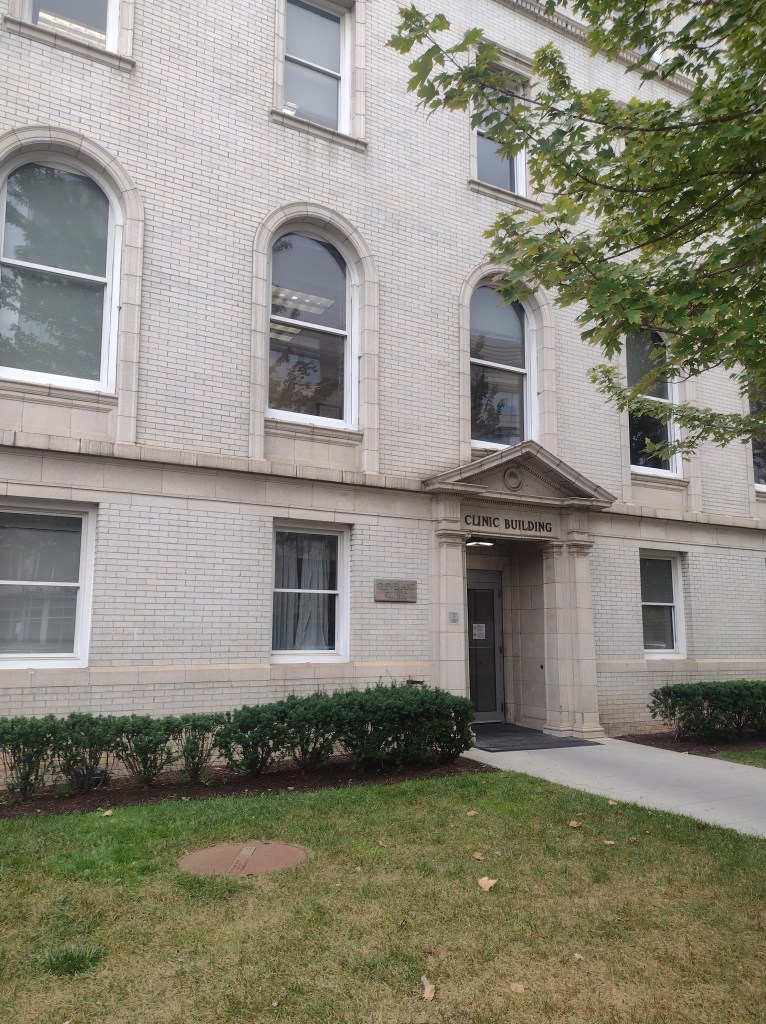
Despite the fire department arriving promptly, two more explosions shook the walls and broke the windows before the fire and gasses were under control. Doctors, nurses, and other employees helped patients get to the windows, where they were rescued, but those who panicked and fled to the staircases and elevators were stuck. Exposed to the deadly gas, many of them died in those locations. In all, 123 people perished that day, with five others, all exposed to the gas dying in the days that followed.
Despite the deaths, the Cleveland Clinic temporarily relocated and went back to helping patients. The building was repaired and reopened, with few people really knowing what happened there back in 1929.
Sources
 Found in Ohio