
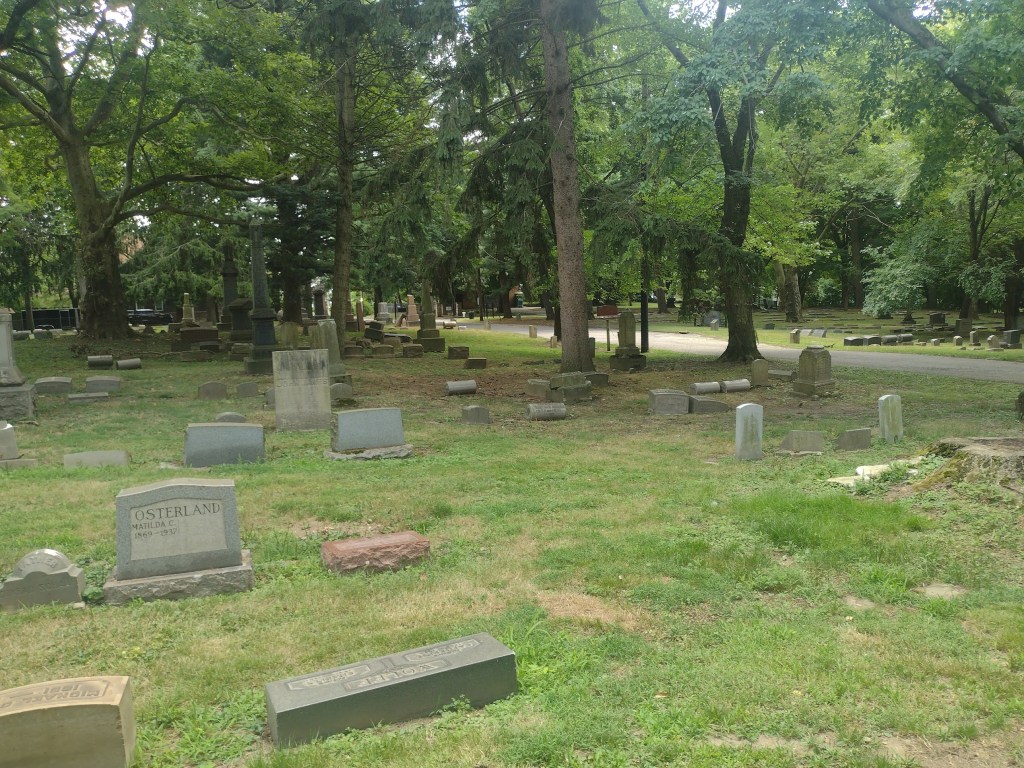
Before you head out to explore your nearest old cemetery, you first need to know the lingo. Is it a cemetery or a graveyard? What’s a mausoleum? Does that type of headstone have a name? Understanding all of the terms helps you figure out what you’re looking at.
Cemetery or Graveyard?
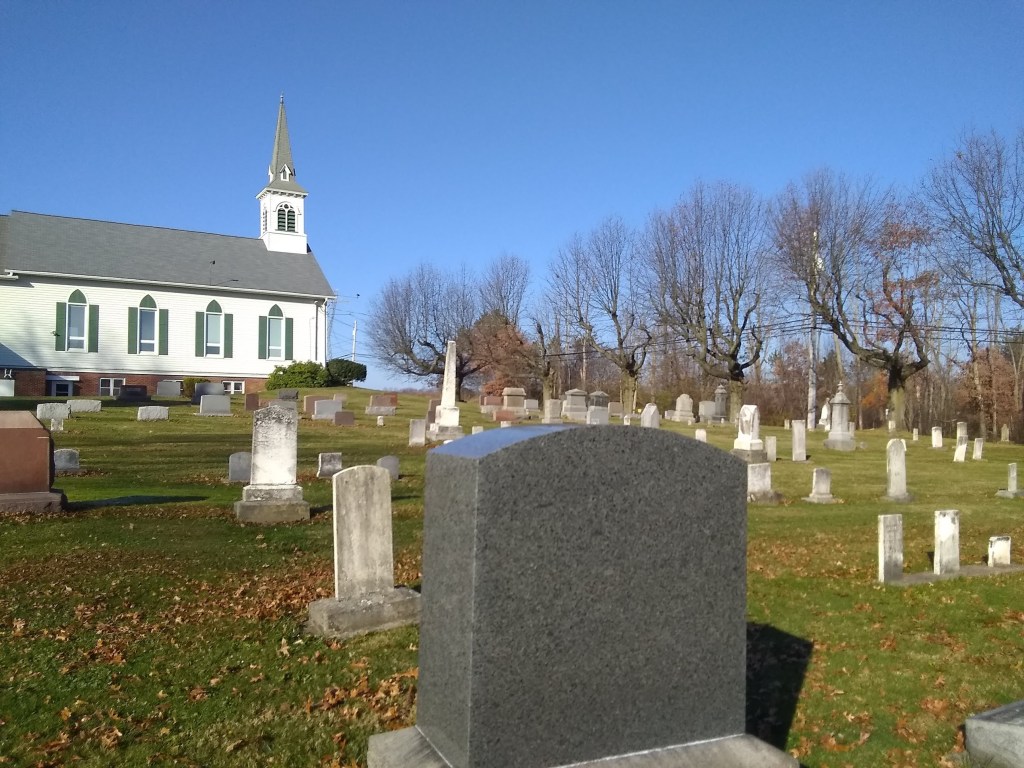
Although most people use the words “cemetery” and “graveyard” interchangeably, it’s a little like that old geometry saying that a “square is a rectangle, but a rectangle isn’t a square. ” You see, a graveyard can be a cemetery, but a cemetery isn’t a graveyard. Both are places where people bury their loved one, but a graveyard is next to a church (as seen above), while a cemetery is in a more public location. The word “cemetery” means burial ground, so technically a graveyard can also be a cemetery.
TLDR: You can call a graveyard a cemetery, but you can’t call a cemetery a graveyard. Or you can, no one is policing you about it.
Headstone, Gravestone, Tombstone?

You’re wandering through a cemetery, looking at graves, wondering why some are called gravestones and others headstones. And what about tombstones? Are they different? Or just separate words for the same thing?
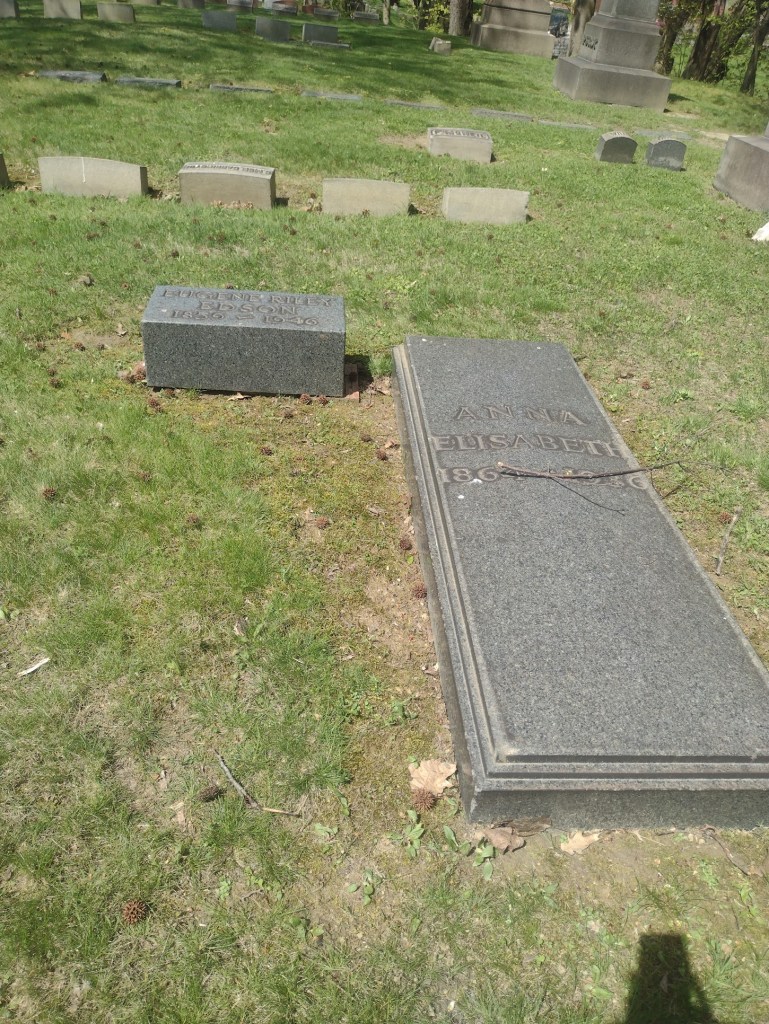
As it turns out, a gravestone is one that’s laid on top of a grave. They’re flat and often blend into the grass, although that depends on how well-kept the cemetery is. A headstone, on the other hand, sits at the top of the burial spot and sticks up out of the ground.
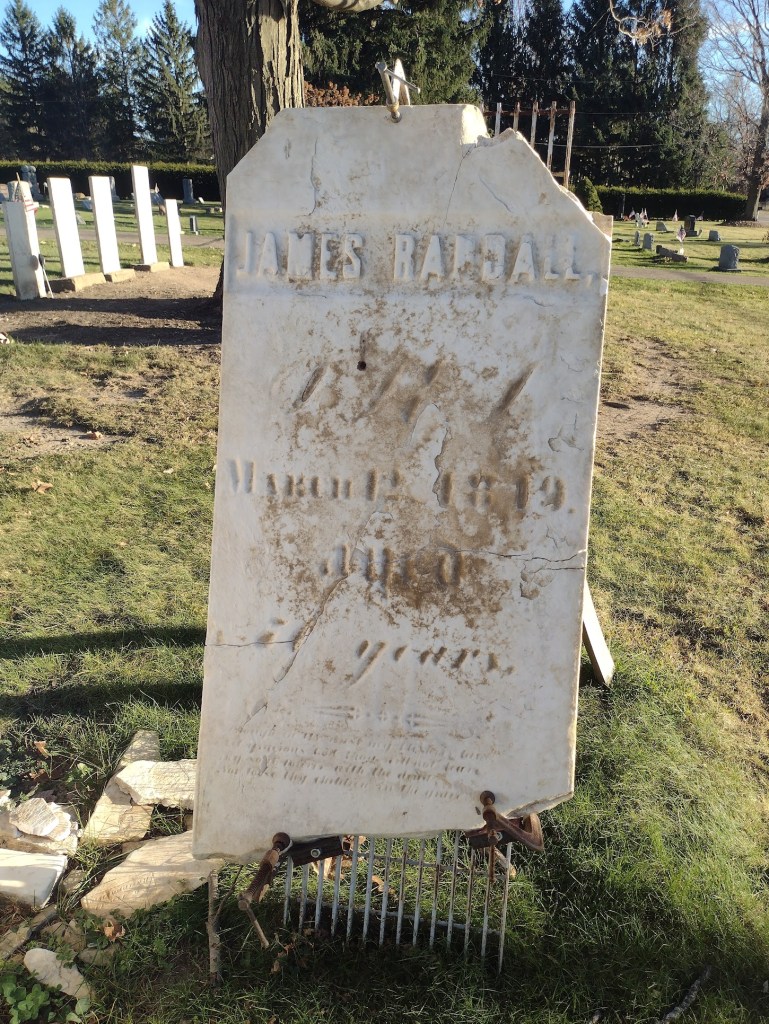
And what about tombstones? Those can be either headstones or gravestones. It’s kind of a “catch-all” term.
Mausoleums
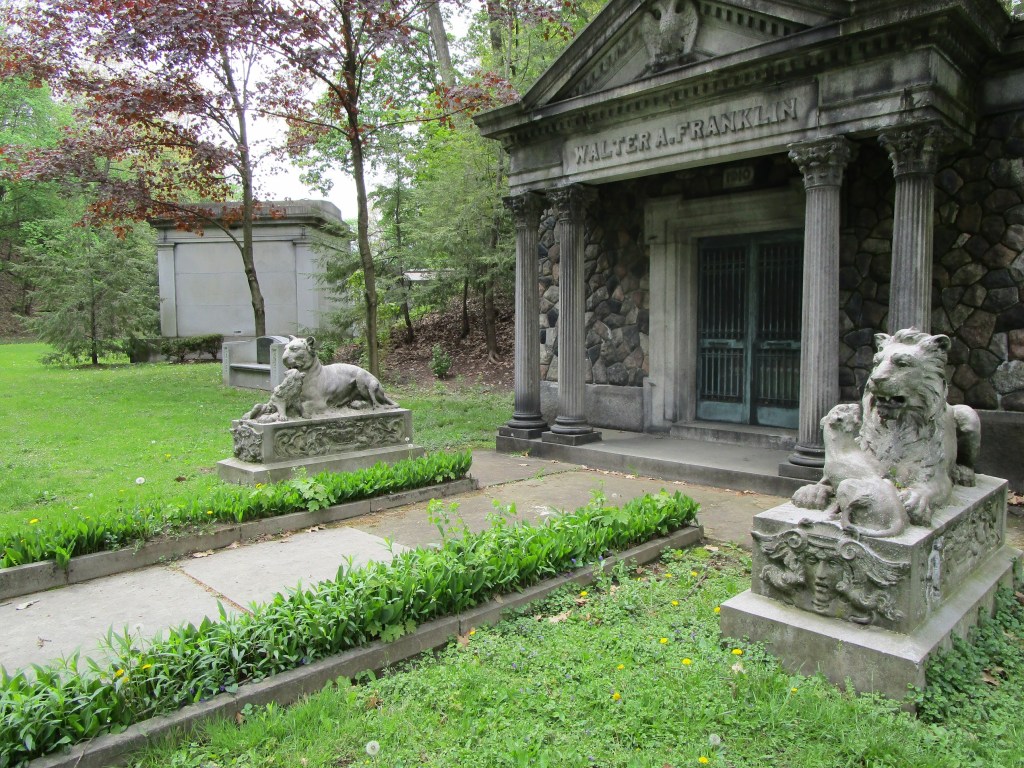
Those small stone buildings that you see sprinkled through cemeteries? Those are mausoleums. In many cases, they’re private structures where certain members of a family are buried. In others, they’re public buildings that are open to anyone who’s getting buried in the cemetery, as long as they paid for their particular spot.
Why choose a mausoleum? These monuments to the dead are more dramatic than a simple headstone, allowing you (or your loved one) to leave behind a bit of a mark. The public mausoleums in newer cemeteries are pretty low maintenance, and often cost less than traditional gravesites.
Types of Headstones
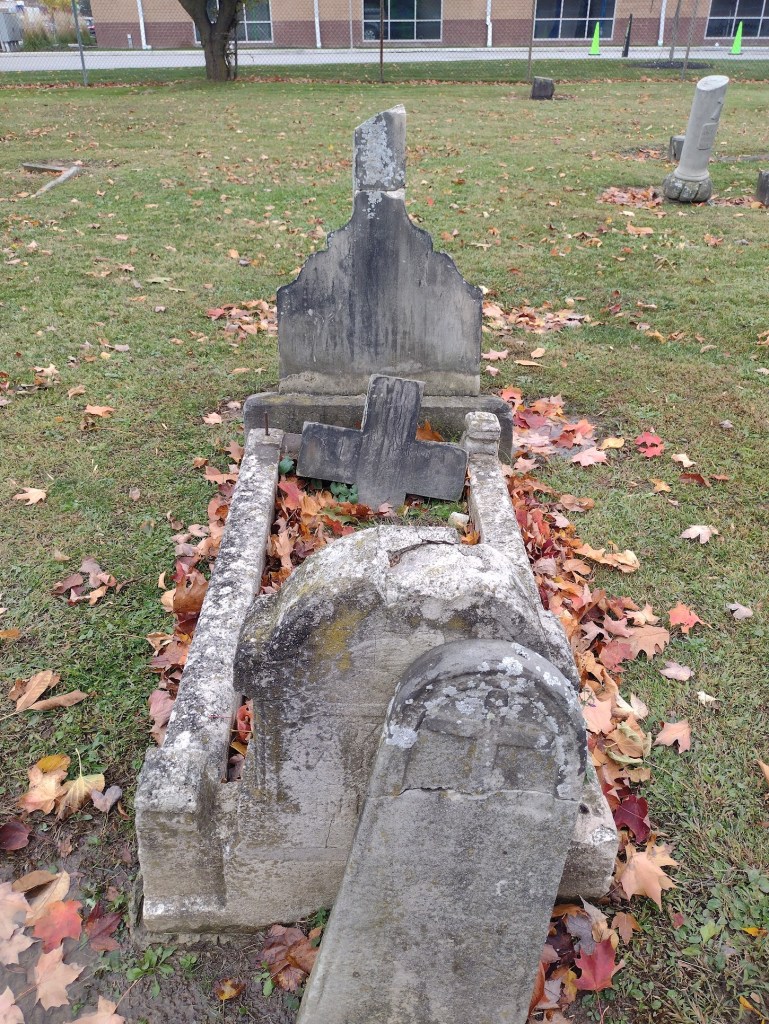
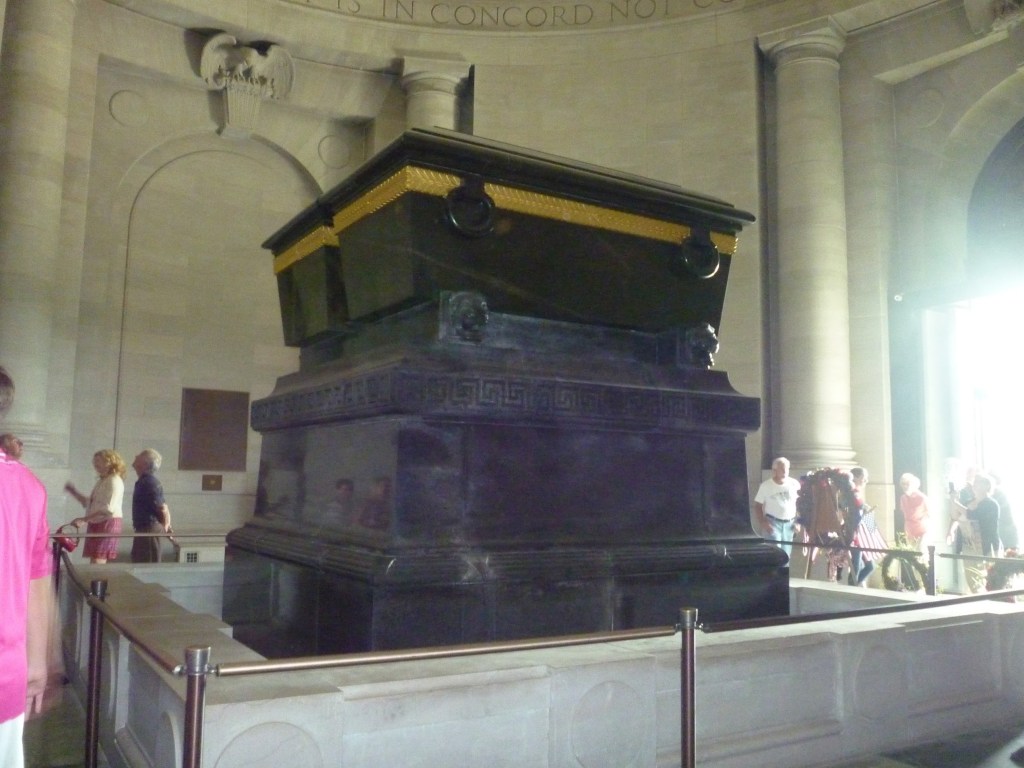
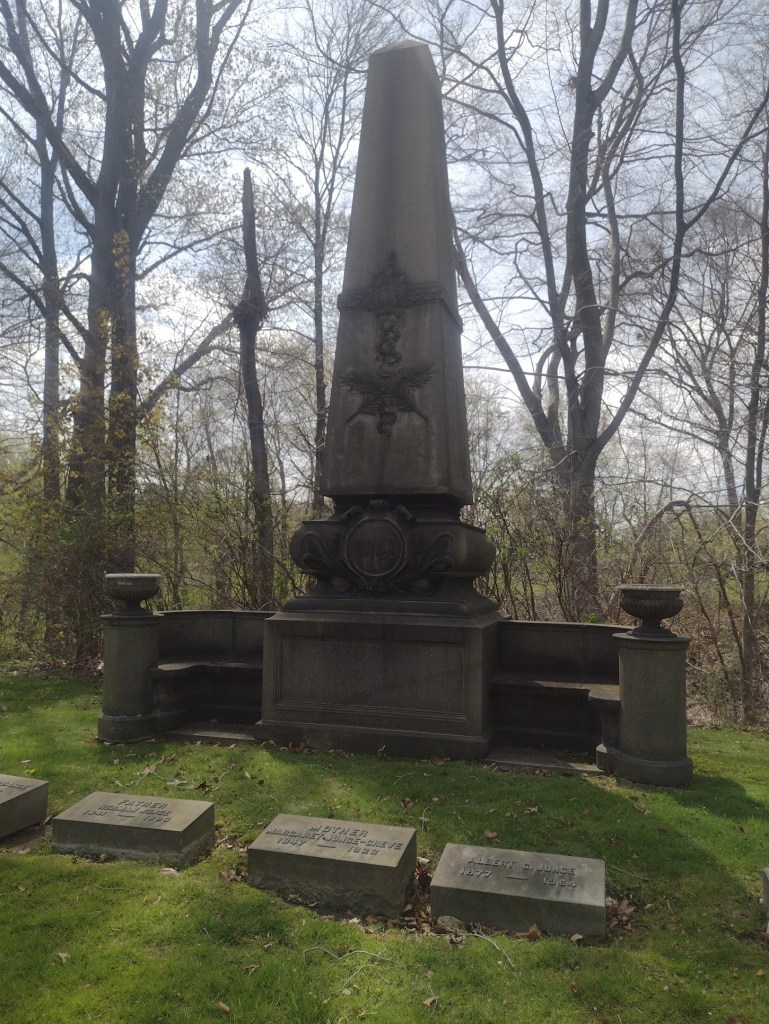
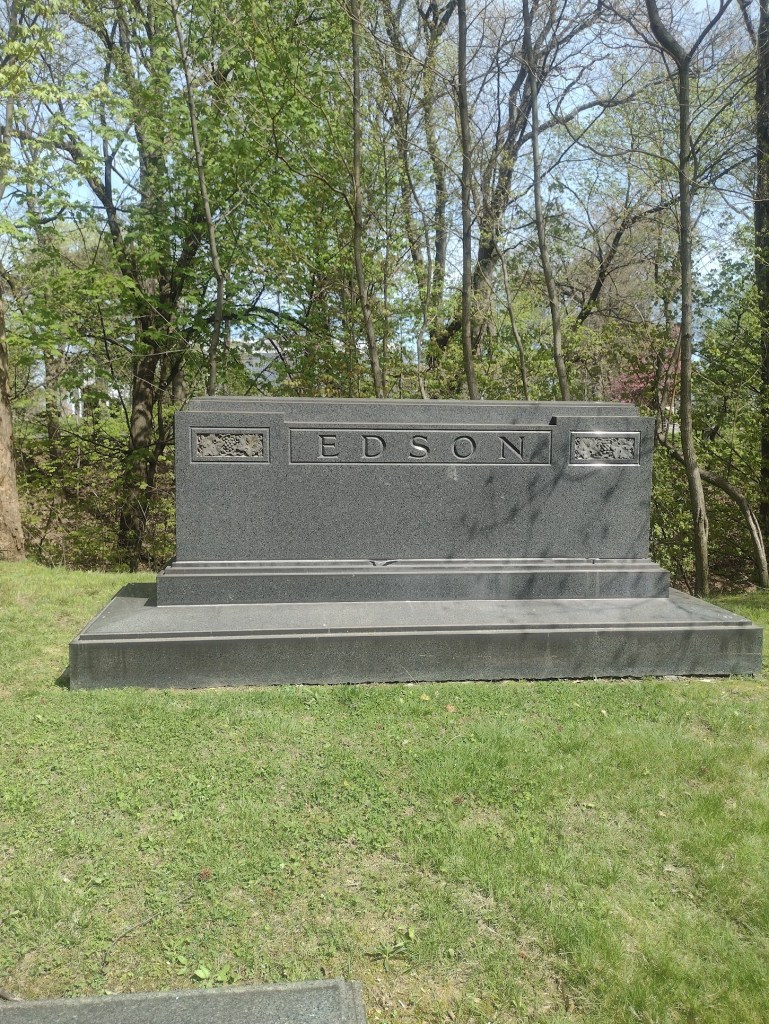
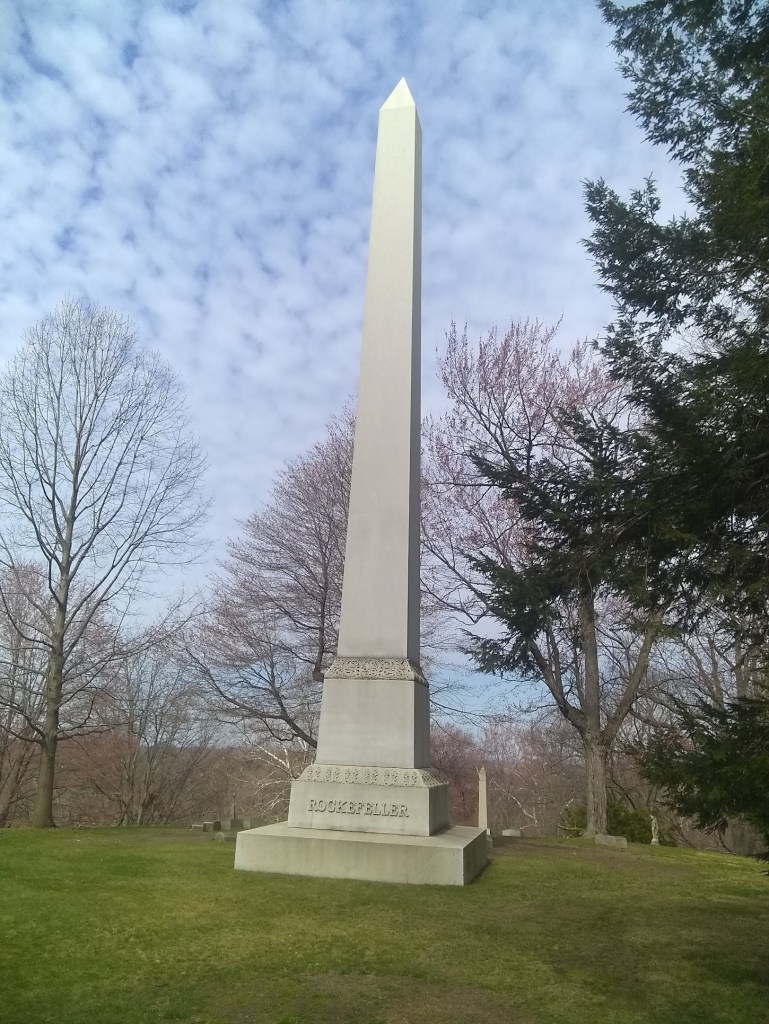
Older cemeteries tend to have a number of different headstone styles that differ from the standardized ones that you’ll see in newer ones. Here are a few examples, as well as what the styles are called.




What About Metal Fences?

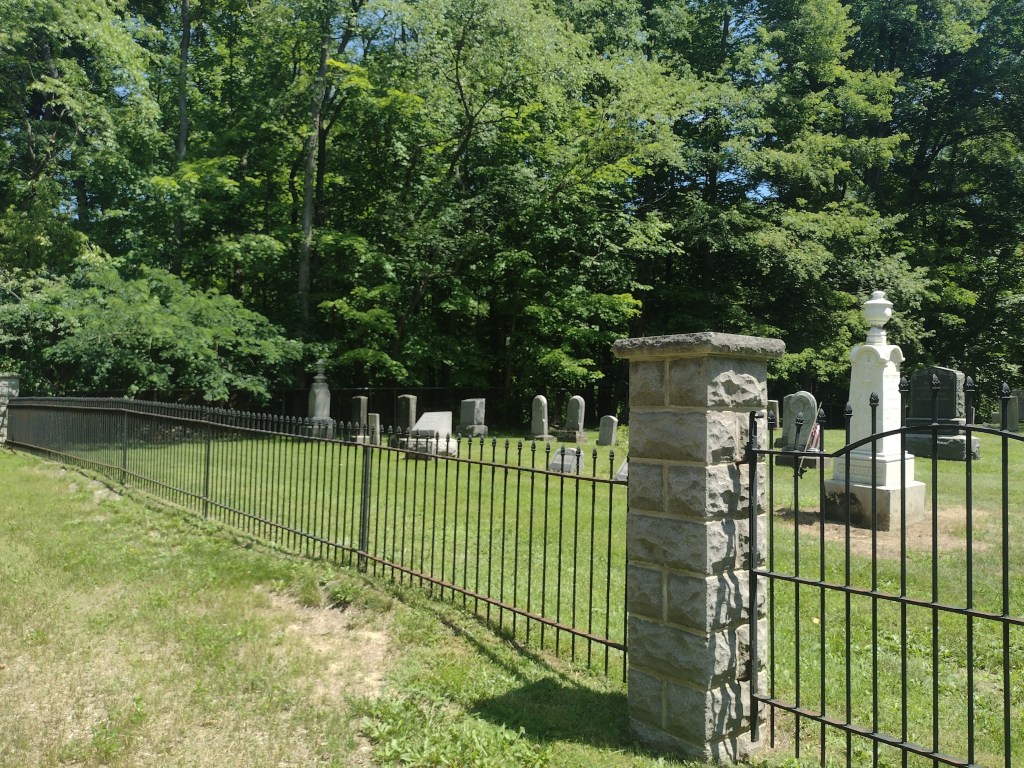
What about metal fences? Why do so many older cemeteries seem to have the same wrought iron, black-painted, metal picket fence around them? There are many reasons:
One – This style was chosen because it has points on the top of the fence panels. Those are for protection, as they’ll keep out intruders, particularly grave robbers. The Victorians also believed highly in the supernatural, and they worried about things like vampires and other things that might disturb their peace and prevent them from their eternal rest.
Two – Another reason? The living needed to be protected from the spirits of the dead. People during the Victorian Era not only thought that the supernatural would corrupt their dead bodies, but also that the spirits of those formerly-alive humans could escape the cemetery and haunt the living. Thankfully, iron, which they believed contained the life force of the earth, could keep the dead barricaded inside.
Three – The fences looked nice and gave the cemetery a lovely aesthetic.
Sources
- https://www.huffpost.com/entry/cemetery-graveyard-difference_l_6178c300e4b010d933178318
- http://babercemetery.org/baber/wp-content/uploads/2018/05/Chest-Box-Hip-Cradle.pdf
- http://www.speel.me.uk/gp/chyardmonsintro.htm
- https://cemeteryinsightsandbeyond.wordpress.com/2018/05/19/wrought-iron-barriers/#:~:text=Our%20Colonial%20ancestors%20wanted%20to,to%20impale%20unwanted%20graveyard%20intruders.
 Found in Ohio