
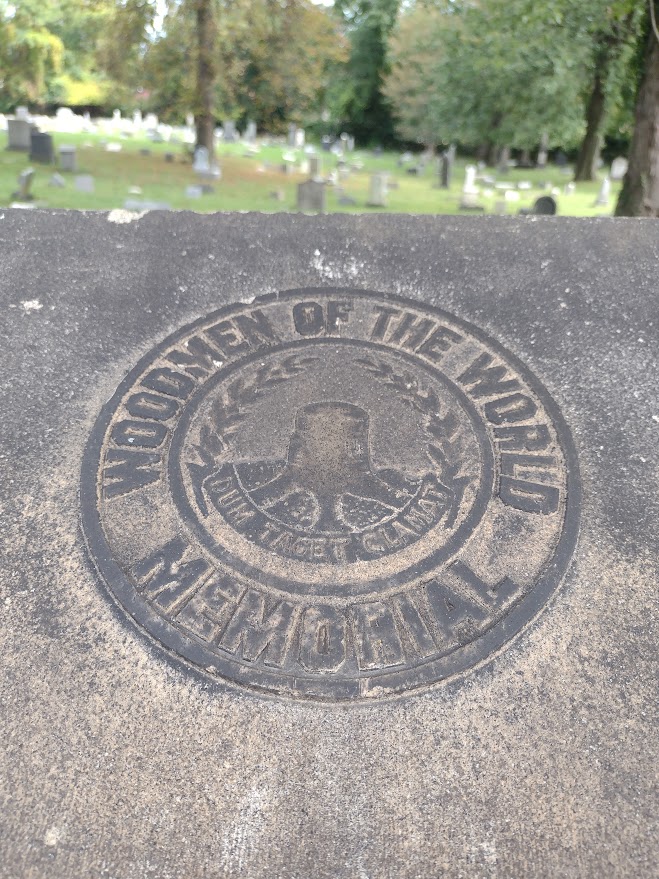
Sometimes cemetery symbols are more obvious than others. Unlike urns, hands, and flowers, these symbols outright state which organizations the deceased belonged to. In this particular case, it’s a somewhat obscure (compared to the Masons anyway) organization called Woodmen of the World.
Who Are the Woodmen of the World?
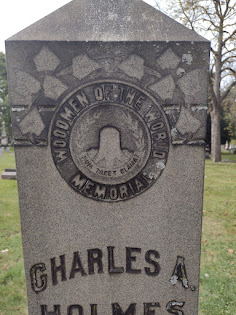
A quick Google search for the words “Woodmen of the World” pulls up an insurance company. Yes, WoodLife sells life insurance policies, among other things, making it a membership organization and a business rolled into one. With a physical presence thanks to its buildings in Florida, Nebraska, Oregon, and Texas, the company has a strong financial track record. That’s in the present, however.
Woodmen of the World started in Omaha, Nebraska back in 1890. It’s a fraternal organization founded by Joseph Cullen Root. He wanted to create a way to make life insurance an affordable option to the public, while also gathering like-minded members who wanted to give back to the community.
The resulting organization held charitable events, like a Christmas party for Orphans in North Carolina and giving free American flags to other community groups so that they could hand them out at events. They also help out when national disasters occur, providing supplies for those who need them.
While this was going on, Woodmen of the World also owned and operated a radio station, WOAW, from 1922 until 1943. Then, it became a television station called Wow-TV, which hired a very young Johnny Carson. They held onto the station until 1958, when the company sold it to the Meredith Corporation.
Woodmen of the World Grave Symbols
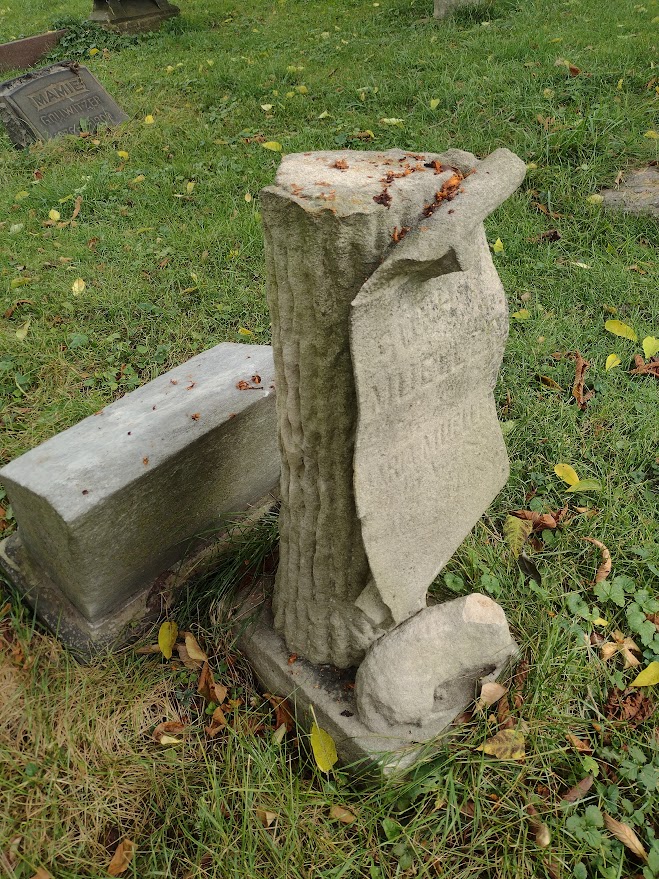
In some cases, the gravestones of a member of the Woodmen of the World organization is easy to find, thanks to the prominently displayed circular symbol declaring the name of the group. However, others are a little trickier. Look for a gravestone that resembles a tree that’s been cut-off mid-trunk, or even a tree stump. These symbolize a “life cut short” as well as a Woodmen of the World. (Even more interesting, before 1930, the organization paid for their member’s gravestones.)
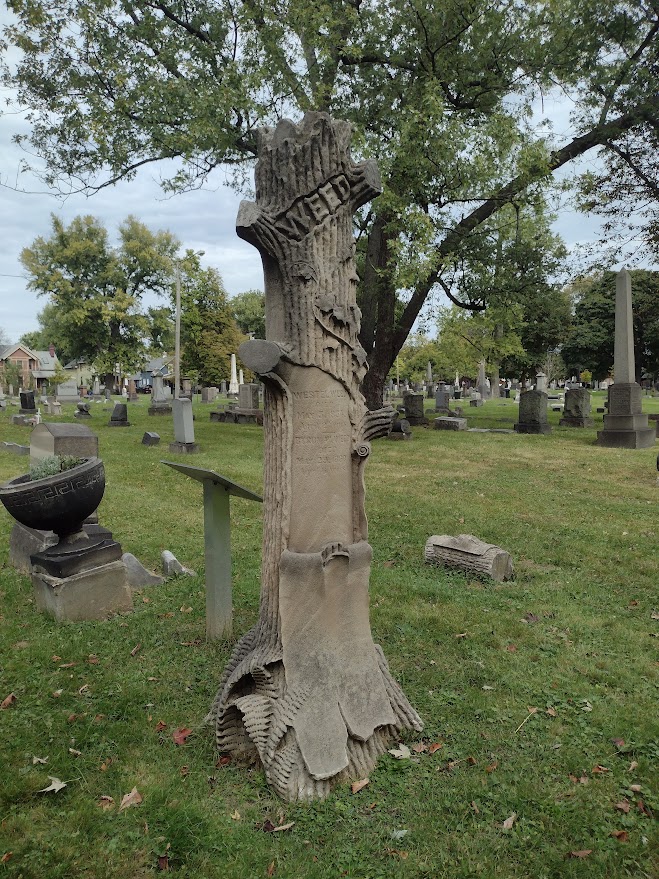
Although in modern times the symbolic tree stump headstone has been adopted by anyone who wants to leave an interesting mark on the world, many of them belong to deceased members of the organization. It’s just a matter of looking more closely when you see one in a cemetery.
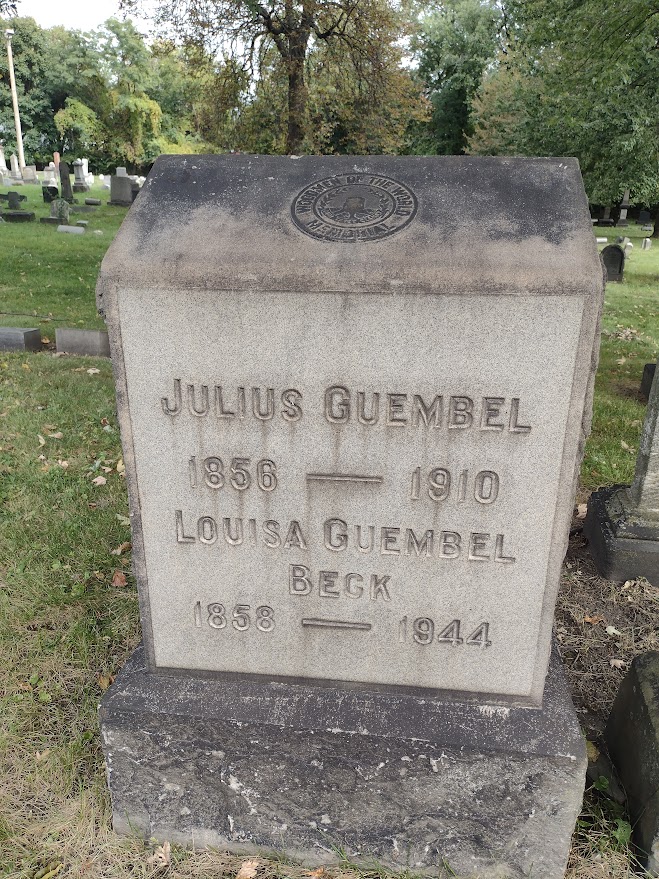
 Found in Ohio
This is a History Slideshow for the Woodmen Circle Home built by the Woman’s Auxillary to W.O.W the slideshow has the history to Woodmen of the World
LikeLike
This is a History Slideshow for the Woodmen Circle Home built by the Woman’s Auxillary to W.O.W the slideshow has the history to Woodmen of the World
LikeLike