Zoar, Ohio

One of Several Fringe Religious Groups in Early Ohio
Ohio history is filled with religious groups that moved into the area for religious freedoms. There are the Moravians, Shakers, Quakers, and the Zoarites. The latter founded a village back in 1817, called Zoar after their religious movement. The name “Zoar” comes from the bible and is loosely defined as a “place of refuge.” In addition, Zoar is the town that the biblical Lot fled to after leaving Sodom.
Led by Joseph Bimeler, the Zoarites immigrated to the U.S. from the Württemberg area of Germany. How did they end up in Ohio? Land was plentiful and inexpensive at the time, and the Quakers in the area were more than happy to help these likeminded citizens. They offered the Zoarites a plot of land owned by Godfrey Haga in the area that is now historic Zoar Village, and even provided them with some money to use as a payment for the land. All that was left was a balance of $15,000, which Josephe Bimeler set up to pay off in 15 years.
The Zoarites had some interesting beliefs. They thought that men and women were equal in all ways, to the point of allowing women to lead parts of their community (that is, had any women been elected to do so.) They didn’t believe in marriage or baptism, and were pacifists, not believing in war or violence and refusing to participate.
Creating a Communal Society
The next year, 1818, the Zoarites were joined by around 200 more believers from Germany, swelling the size of their group and adding more workers to assist in the village’s construction. By 1819, after surviving several hard winters, the Zoarites decided to make their society a communal one. This meant that everyone played a role in things like construction, operating the flour mill, producing and cooking food, and in the 1820s, digging the section of the Ohio and Erie Canal that went through their land.
Although they initially considered themselves to be a celibate society, this soon changed. Even though the Zoarites could reproduce, their children wound up living together, separate from their parents, leaving the adults free to get their jobs done. Over time as their businesses expanded, the village grew richer, reaching a total of one million dollars in assets by the 1850s. However, once their leader, Joseph Bimeler, died in 1853, things slowly started to decline, leading the Zoarites to disband their community in 1898.
Wandering Zoar Village

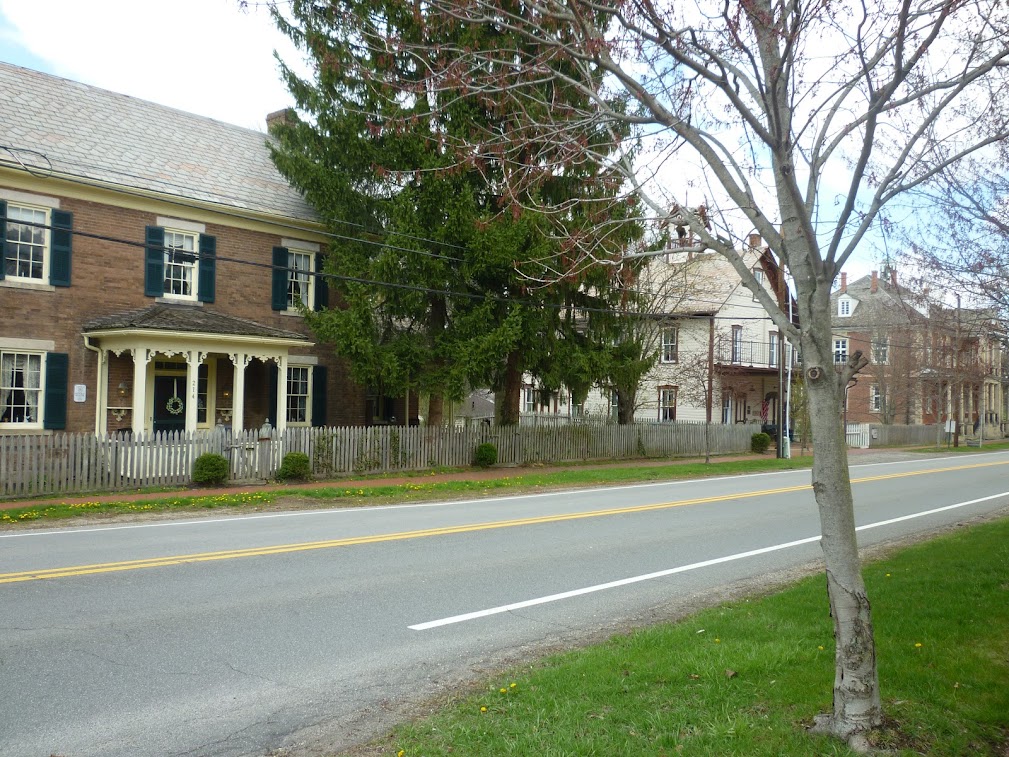
What remains in Zoar are a bunch of perfectly preserved homes, a hotel, a general store (the Zoar Store), and other structures. The village is on the National Register of Historic Places, is a National Historic Landmark District, and is owned and managed in part by the Ohio History Connection. Some of the homes are privately owned, while others are not and are open to the public for tours.
Some of the most iconic structures in Zoar include:
The Meeting House

Finished in 1853, the plans for the meeting house (actually the third meeting house constructed in the village) were designed by Joseph Bimeler. The building is made of sandstone quarried by Zoarites and red bricks made by (you guessed) more Zoarites. After the group disbanded, the meeting house was turned into a church, and is now the Zoar United Church of Christ.
The Zoar Store

Built in 1833, the Zoar Store had many uses. It held the community’s post office, as well as a dairy (thanks to an addition around the back of the building), and served as a store where the people of Zoar sold goods to those in the surrounding communities. Today, it’s the headquarters for the Zoar Community Association, as well as a store/gift shop for visitors to peruse.
The Zoar Hotel

Few things are as imposing and creepy as the Zoar Hotel. The outside is restored, while the inside is still a work in progress. Walking through it, you’ll find the room that President William McKinley enjoyed staying in (along with his mistress, as the rumors go), and the floors that served as a boarding house for the children of Zoar.
The Cobbler Shop

If you want to spend the night in Zoar, check out the Cobbler Shop. Also known as Building #22, the Cobbler Shop was constructed in 1828 and served as a, you guessed it, place for the people of Zoar to get their shoes made or repaired. This building is privately owned and serves as both a bed and breakfast and an antique shop.
The Town Hall

One of the last buildings constructed before the Zoarites disbanded their community, the Zoar town hall once held a barbershop, band practice room, a jail, a post office, a dance hall, and a fire station. Now, it serves as the village’s town hall as well as several museums.
The Number One House

Joseph Bimeler used to live in the Number One House, which was constructed in 1835 of sandstone and red brick. Originally, the house was intended to be a place where the village’s elderly could reside. However, it ended up being Bimeler’s home until his death in 1853. The structure now serves as a museum.
The Bakery

The bakery was the place to be back in the 1800s. It’s where all of the bread and other tasty things were made. This structure has two ovens (the second built in the 1880s due to demand), both constructed of handmade bricks. Even better, you can still purchase baked goods in this building, as it serves as a bakery during the summer months.
The First School
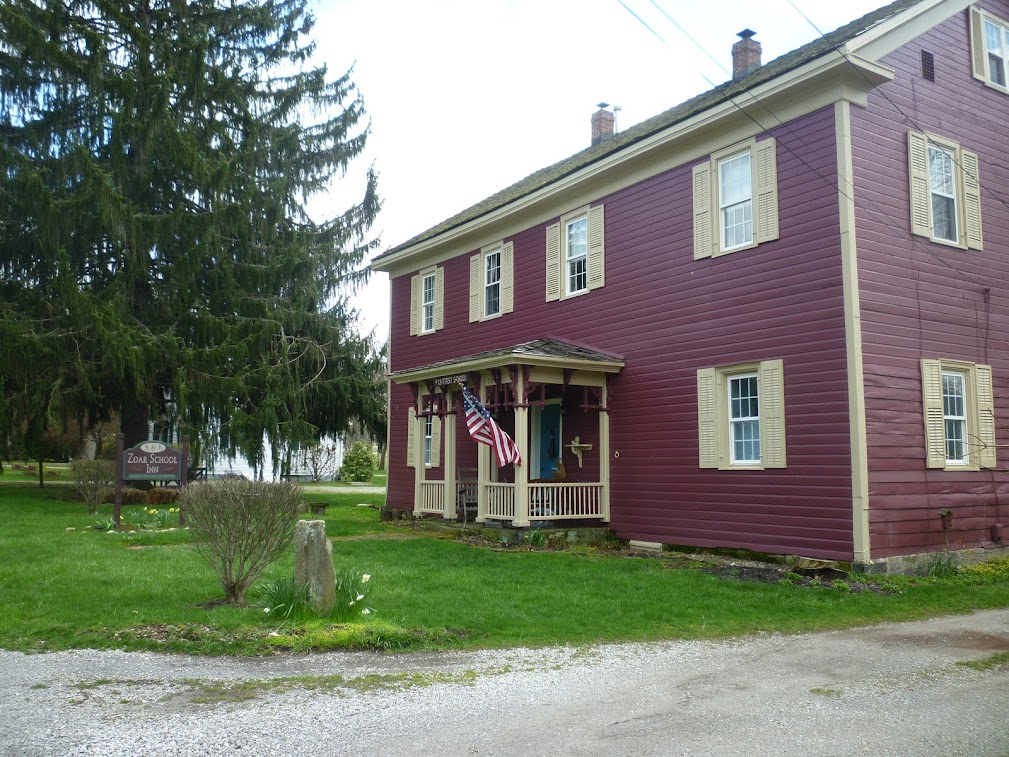
Education was important to the Zoarites, who sent their children off to the school in order to learn to read and write. German and English were both taught in this former one-room schoolhouse. The building is now a private home, and has been added onto.
The Number 14 House
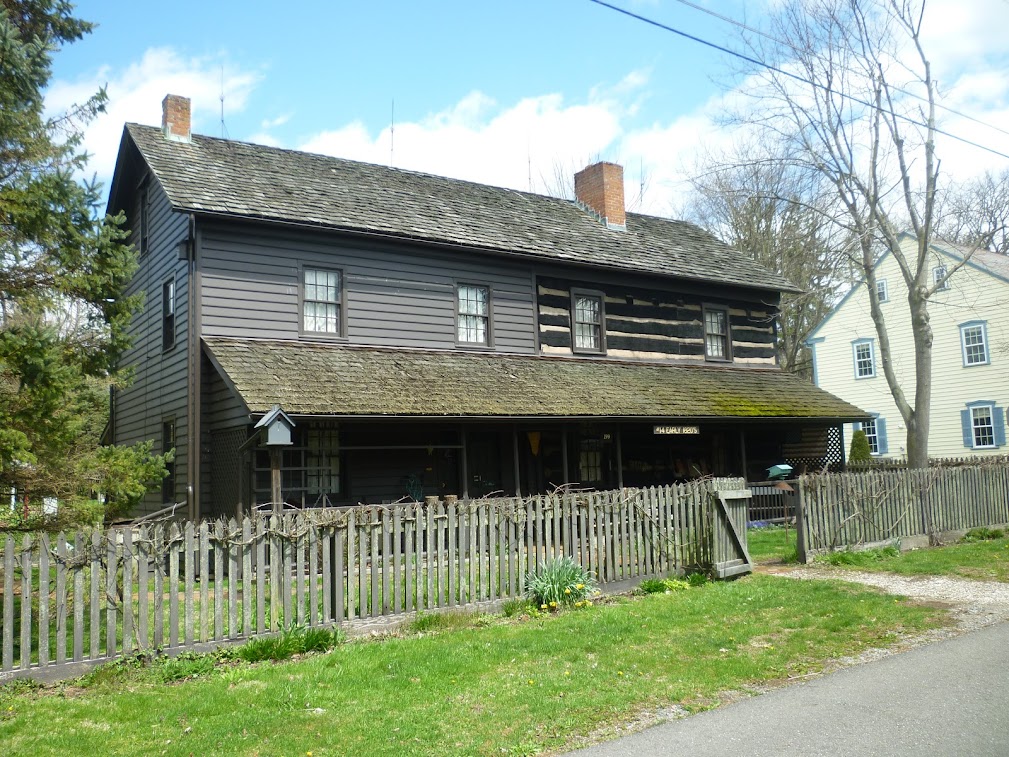
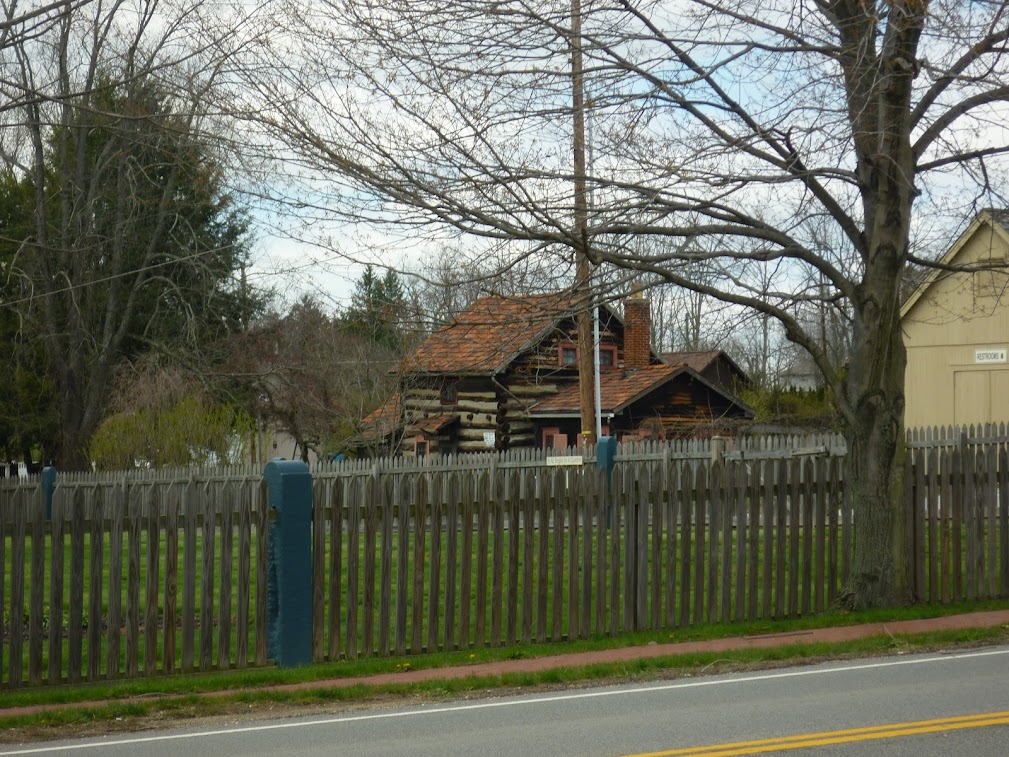
Despite its name, the Number 14 house is one of the first buildings to be erected in Zoar. The old log cabin section came first, and is still visible next to the slightly more “modern” part of the early 1800s house. It’s now in private hands, but still interesting to look at from the path.
Other Things to See in Zoar

On top of the many well-preserved and restored buildings, Zoar is also home to a cemetery and a huge garden. It’s worth spending some time wandering the village, wondering what life really was like for the Zoarites.
Sources
- Historic Zoar Village
- Zoar, Ohio
- Ohio – Things to Do – Zoar
- Legends of America – Zoar
- Touring Ohio – Zoar
 Found in Ohio