

Louisa M Wilcox, above, died from Lung Fever, which today is known as Pneumonia.
If you’ve ever wandered an old cemetery, you’ve more than likely noticed quite a few differences between the headstones. Newer ones tend to include only certain information, like names and dates. They might also have additional touches, like etched photographs and imagery, that the older ones don’t.
Why is this? Over time, the way that people have viewed death has changed, as well as the technology involved in creating those gravestones. For example, up through the mid-19th century, headstones were made from either slate or sandstone. You can tell the difference between the two materials because slate held up well, while sandstone wears down easily. Once the Victorian period was in full swing, marble became a headstone option, and many of the imagery and epitaphs on them changed.
Death Was Everywhere – And Headstones Served as Warnings
From the 17th century up through the mid-1800s, death was everywhere. People died at home, and their bodies were displayed in the parlor, as there weren’t many funeral homes around. (The first one opened in 1759, but it wasn’t yet the industry that it would become in Victorian Era.) Since there wasn’t any modern medicine, the infant mortality rate was high, and it wasn’t unheard of to only live to be in your 30s or 40s, thanks to epidemics like those of Yellow Fever or Typhus.
Since death was a standard part of life, so were gravestones. However, these gravestones also served as warnings that death was frequently around the corner. This is why many of the headstones from this period have the death’s head with wings motif or the weeping willow tree.
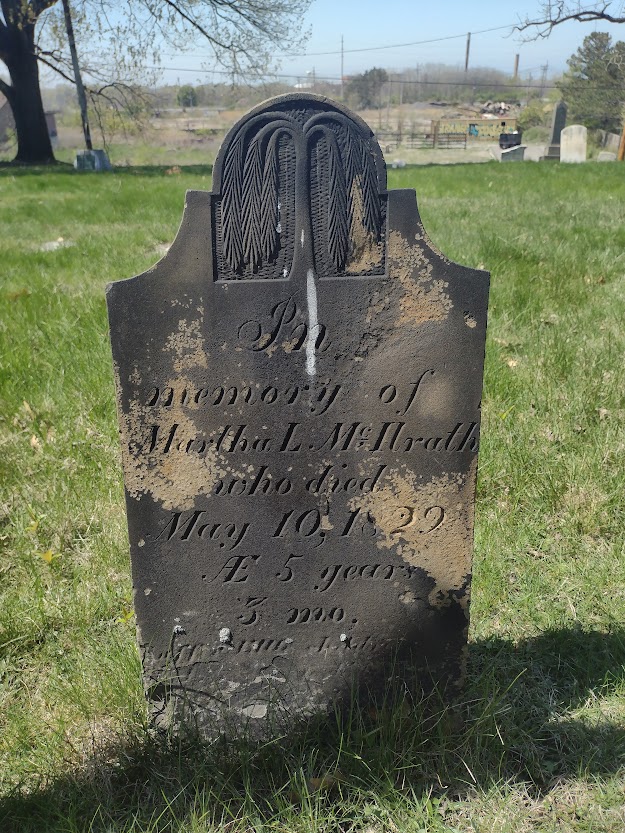
Also serving as a warning was the manner of death. Included in many epitaphs during this time period were a number of details about the person who is buried below. Their name, spouse’s name, dates of birth and death, and even the townships/villages where they were born and died are often included. This makes the gravestones a treasure trove for genealogists, as long as you can determine what that cause of death translates to in modern terms.
How Did They Die?
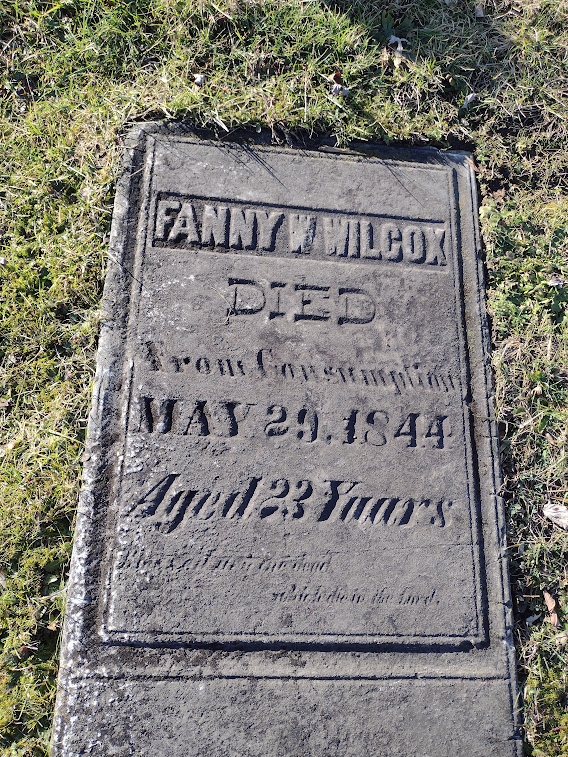

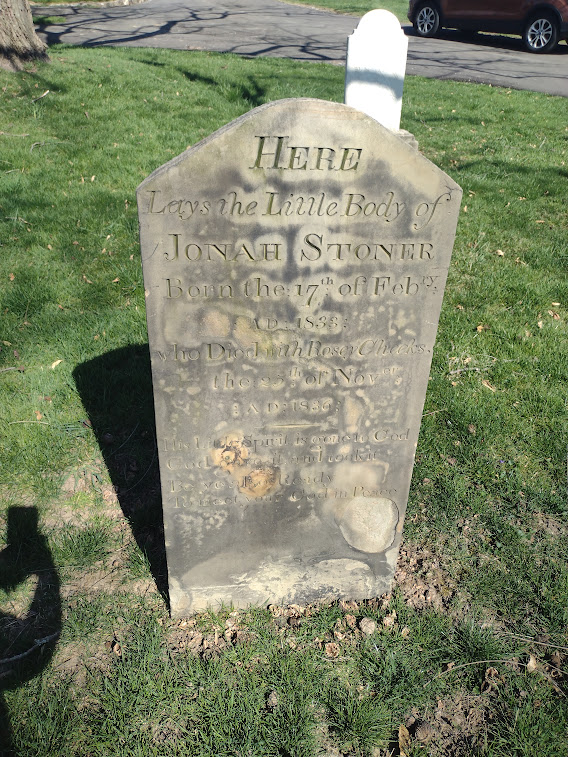
This is where things get interesting. Many of the ailments listed on gravestones are either those that people rarely die from today, or they are illnesses that you’ve heard of, but not by these particular names.
Here are a few examples. The gravestone on the left, that of Fanny W. Wilcox, lists her cause of death as Consumption, which is Tuberculosis. The one in the middle, Mabel Wilcox, died of Palsy, which is either paralysis or uncontrolled muscle movements, like those caused by seizures. The child on the right, Jonah Stone, died of the Rosy Cheeks, which could be another term for Tuberculosis, although he might have just had a high fever.
Translating Methods of Death
While there are plenty of online sources that list old school medical terms along their more modern counterparts, here are some of terms that you’re likely to see on gravestones in this area:
| Old School Terms | Modern Counterparts |
| Bad Blood/Great Pox | Syphilis |
| Bronze John | Yellow Fever |
| Chin Cough/Kruchhusten | Whooping Cough |
| Dropsy of the Brain | Encephalitis |
| Grippe | Influenza |
| Quinsy | Tonsillitis |
| Puking Fever/Sloes | Milk Sickness |
| Toxemia | Eclampsia |
| Podagra | Gout |
Sources
- https://atlaspreservation.com/pages/american-gravestone-evolution-part-1
- https://www.lakewoodcemetery.org/2019-11-27-epitaphs/
- https://familytreemagazine.com/cemeteries/tombstone-tales/
- https://themorningnews.org/article/a-sudden-and-awful-manner
- https://www.thornber.net/medicine/html/medgloss.html
 Found in Ohio