
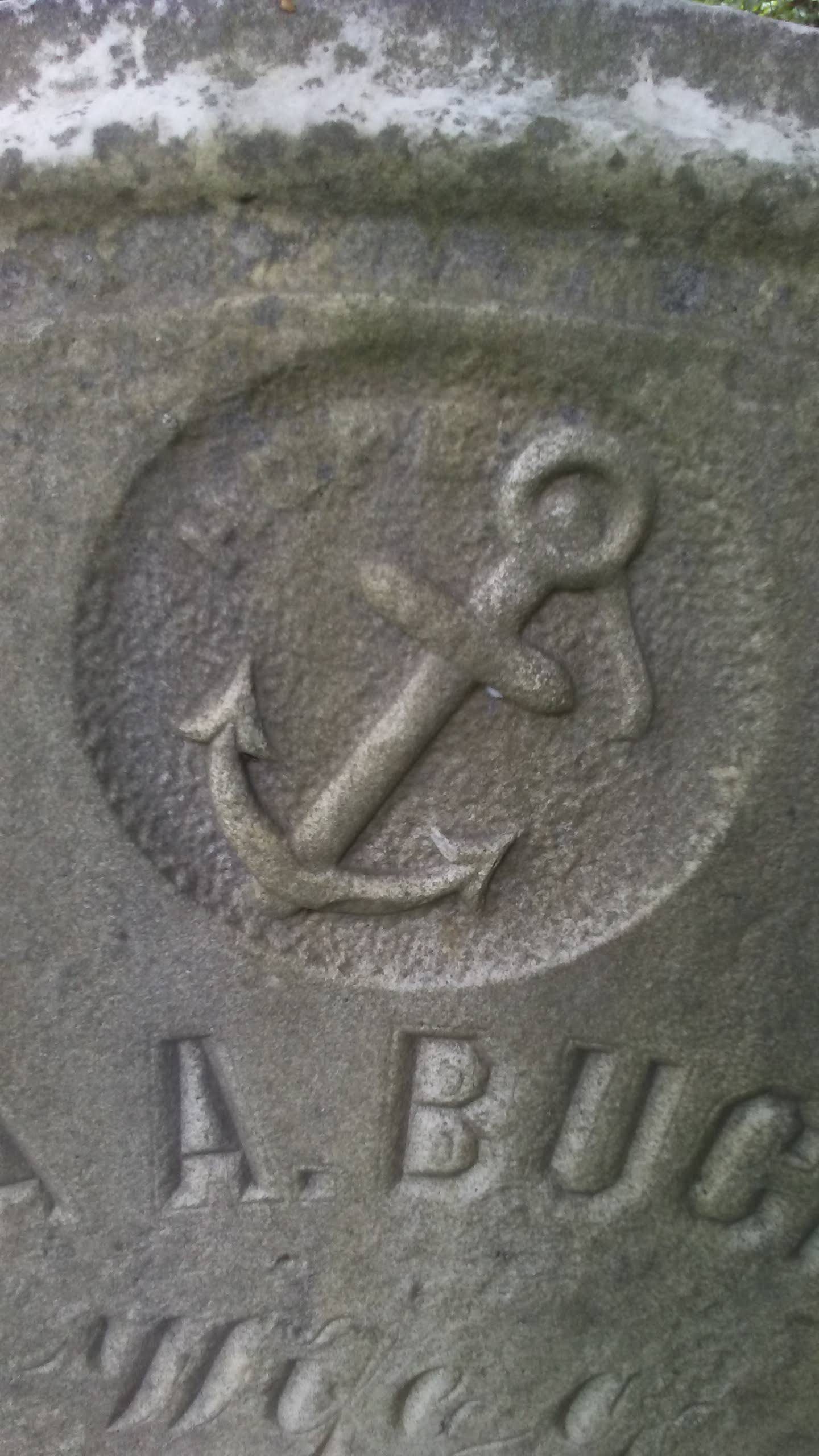

When walking through an old cemetery, you might notice anchors carved into some of the gravestones. While they might seem like an unusual choice for a cemetery monument, anchors have a long history of symbolic meaning. They’re often associated with hope, faith, stability, and the idea of holding on through difficult times.
One of the most common meanings of an anchor on a gravestone is hope. The symbolism comes from Christianity, particularly the Bible, where hope is described as an anchor for the soul, because it’s secure. Early Christians adopted the anchor as a symbol of faith and steadfastness, sometimes using it as an alternative to the cross.
Anchors can also represent a person’s connection to the sea. In coastal communities, they were sometimes used on the graves of sailors, fishermen, naval personnel, or others whose lives revolved around the water. In these cases, the anchor might reflect the person’s occupation, love of sailing, or connection to a maritime community.
There are a few different ways anchors appear on cemetery monuments. Some are carved on their own, while others feature ropes, chains, or crosses incorporated into the design. Each variation can add another layer of meaning.
An anchor with a broken chain, for example, can mean the end of earthly struggles or release from life’s burdens.
As with many cemetery symbols, an anchor doesn’t always tell the entire story. It can represent religious beliefs, personal history, or simply a message of hope for those left behind.
The next time you’re exploring an historic cemetery, take a closer look at the gravestones. You might discover that a simple anchor has a much deeper meaning than you first realized.


Leave a Reply